When investors discuss opportunities in Eastern Visayas, attention often gravitates toward Tacloban City, Leyte, and Samar. Yet beyond the region’s established centers lies a province quietly positioning itself for future growth—Southern Leyte.
Traditionally viewed as an agricultural province, Southern Leyte is increasingly emerging as a strategic growth corridor driven by transportation connectivity, tourism development, public infrastructure investments, and its unique position as the gateway between the Visayas and Mindanao.
While it may not yet command the same level of investment attention as larger provinces, many of the ingredients necessary for long-term economic expansion are already in place.
Strategic Location: The Province’s Strongest Asset
Geography often determines economic destiny.
Southern Leyte occupies a critical location at the southern end of Leyte Island, serving as the principal land and sea connection between Eastern Visayas and Northeastern Mindanao. The Liloan–Surigao route is one of the busiest inter-island transport links in the country, facilitating the movement of passengers, agricultural products, consumer goods, and commercial cargo.
This strategic position provides Southern Leyte with a natural competitive advantage in logistics, transportation, warehousing, and trade-related activities. As national infrastructure programs continue to improve roads, ports, and digital connectivity, the province stands to benefit from increased regional integration and economic mobility.
A Multi-Centered Provincial Economy
Unlike provinces dominated by a single urban center, Southern Leyte is developing through multiple growth nodes.
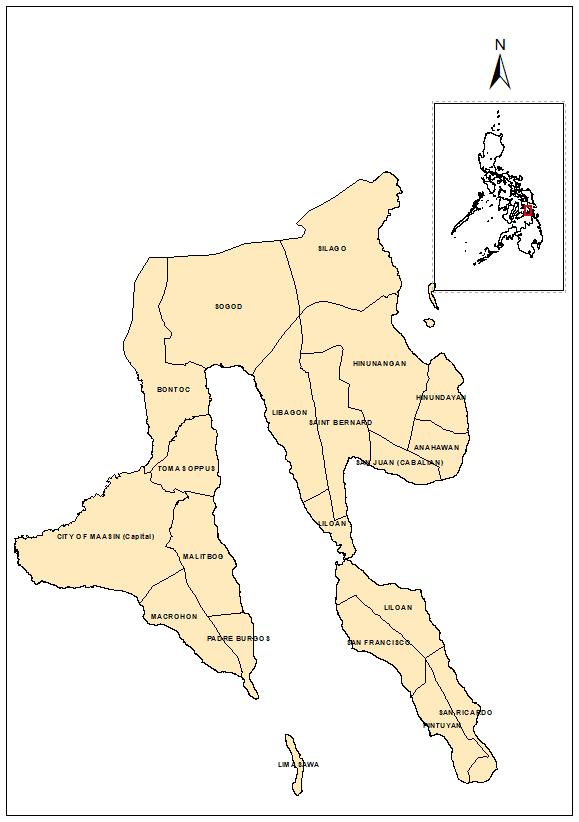
As the provincial capital, Maasin City functions as the center of government, education, healthcare, finance, and commerce. It serves as the primary urban market for the province and remains the focal point for public and private investments.
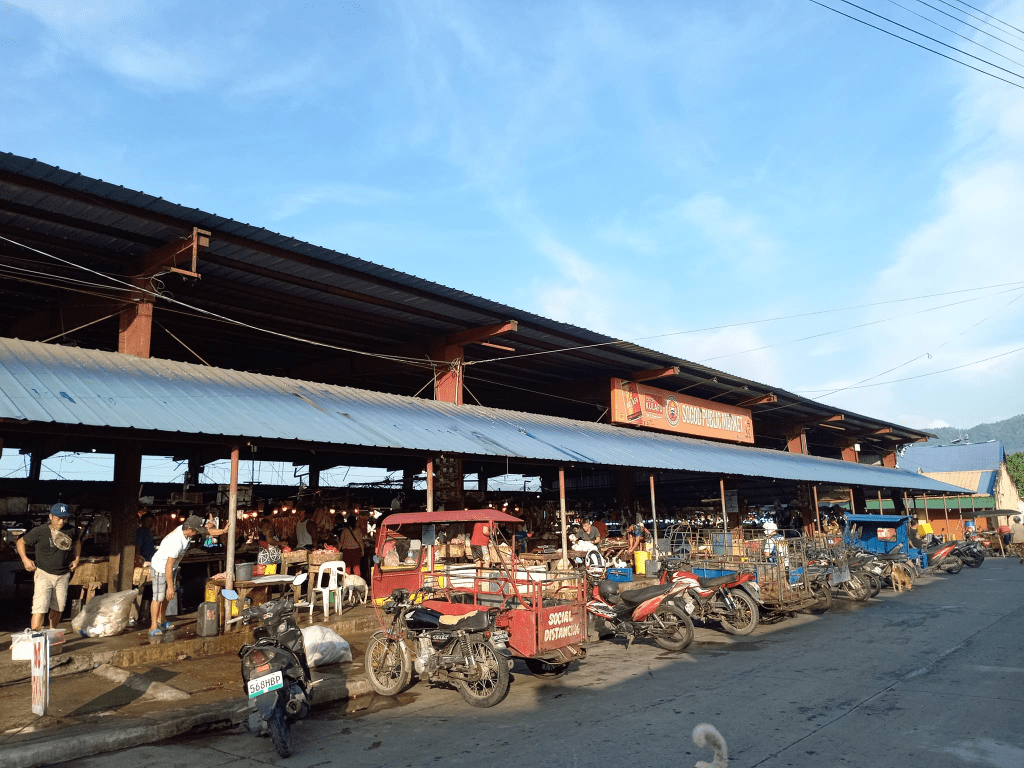
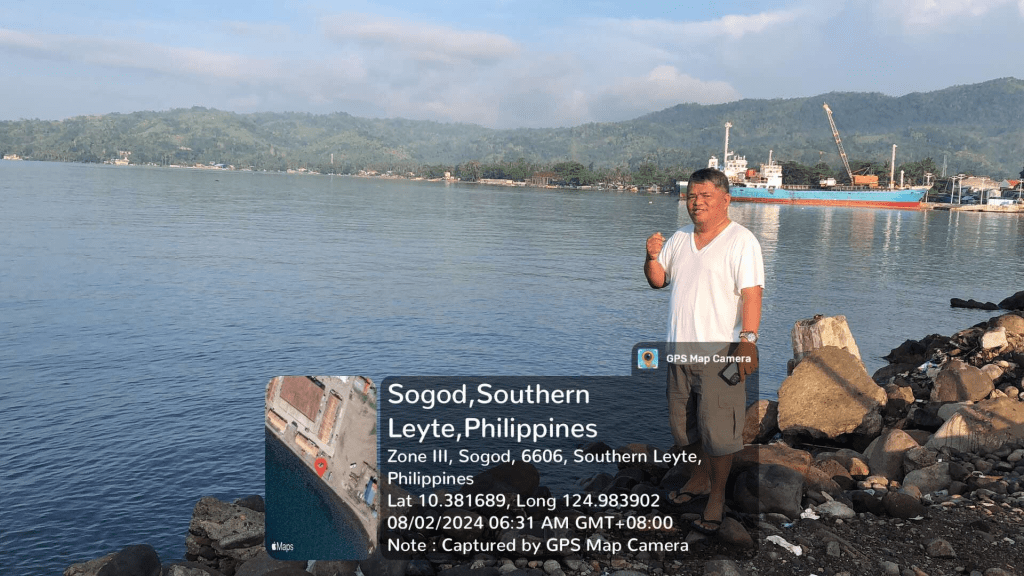
Sogod, the province’s only first-class municipality, has become an important commercial and transportation hub. Located along the Sogod Bay area, it serves as a crossroads connecting various municipalities and facilitating regional trade.
Hinunangan and neighboring municipalities provide agricultural production, fisheries resources, and growing commercial activity that contribute significantly to the provincial economy.
Together, these centers create a more resilient economic structure by distributing opportunities across the province rather than concentrating development in a single location.
Competitive Advantage and Economic Driver
While agriculture is often viewed as a traditional sector, it continues to provide Southern Leyte with a strong economic foundation.
The province’s major products include:
- Coconut
- Rice
- Abaca
- Fisheries products
- Fruits and vegetables
Among these, abaca deserves special attention. As global industries increasingly seek sustainable and natural fibers, abaca presents opportunities for value-added processing, manufacturing, and export-oriented enterprises.
The challenge moving forward is not simply increasing production but strengthening agricultural value chains through processing facilities, logistics systems, market access, and technology adoption.
Southern Leyte possesses one of the most underappreciated tourism portfolios in the country.
Its attractions include:
- Sogod Bay’s marine ecosystems
- Whale shark encounters
- Diving destinations
- Limasawa Island, recognized as the site of the first recorded Easter Mass in the Philippines
- Waterfalls, caves, and mountain landscapes
- Coastal ecotourism destinations
Unlike highly urbanized tourism centers that face congestion and environmental pressures, Southern Leyte still enjoys the advantage of relatively intact natural resources.
This creates opportunities for sustainable tourism investments, including:
- Eco-resorts
- Dive tourism facilities
- Adventure tourism
- Community-based tourism enterprises
- Heritage tourism development
As global tourism trends increasingly favor authentic and environmentally responsible experiences, Southern Leyte is well-positioned to compete.
Compared with highly urbanized markets, land values in many parts of Southern Leyte remain relatively affordable, creating opportunities for long-term investors willing to take a strategic view of future growth.
The province’s demographic expansion, infrastructure improvements, and economic diversification suggest that urban land demand is likely to increase over time.
Infrastructure as a Growth Catalyst
Infrastructure development continues to transform the province’s economic landscape.
Key assets include:
- Pan-Philippine Highway connectivity
- Maasin Port
- Liloan Port
- Roll-on/Roll-off ferry facilities
- Expanding telecommunications infrastructure
- Ongoing road improvement projects
These investments reduce transportation costs, improve market accessibility, and increase the attractiveness of the province for private investment.
Infrastructure not only supports economic activity—it also shapes future land values and development patterns.
Southern Leyte may not yet be considered a major investment destination, but many indicators suggest that its trajectory is changing.
Its strategic location, agricultural strengths, tourism assets, growing infrastructure network, and relatively affordable land base provide a foundation for long-term economic development.
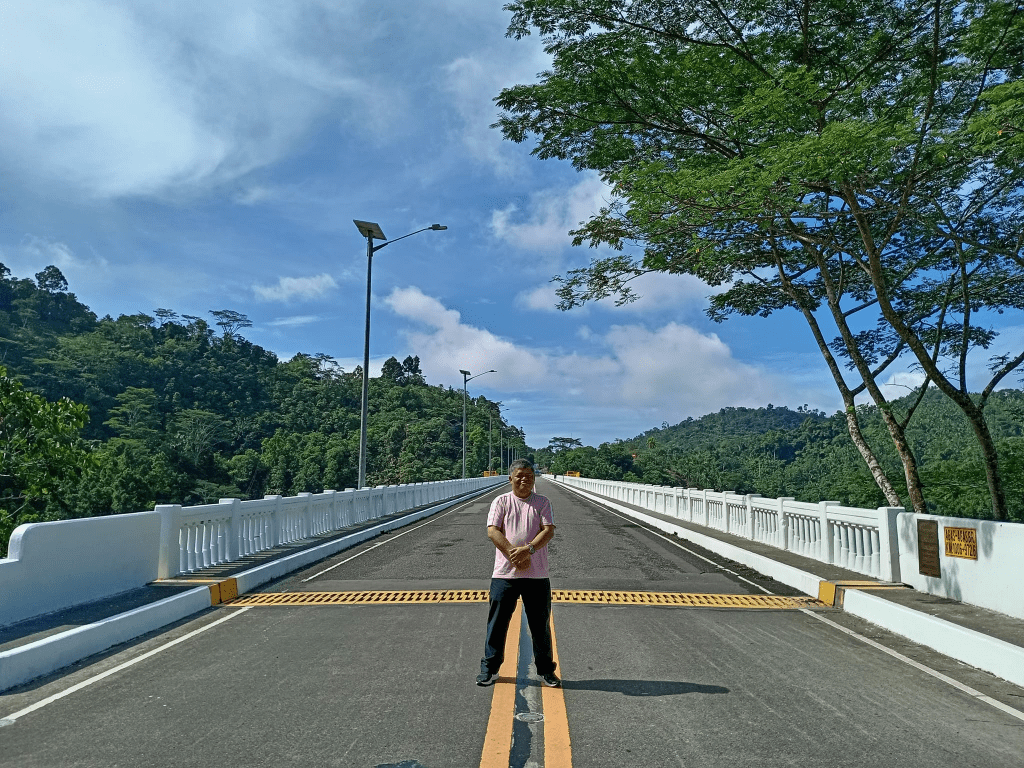
My trip to Sogod, Southern Leyte.