One Hat at a Time: Ethical and Legal Boundaries in Real Estate Practice

In Philippine real estate practice, a professional may wear multiple hats: appraiser, broker, consultant, or assessor. With these roles come distinct legal obligations and ethical expectations. Among the most critical distinctions is the contrast between the appraiser’s duty of independence and the broker’s duty of agency. Understanding this distinction—and reconciling it—is essential to preserving public trust and professional credibility in the real estate industry. This article explores how the ethical and legal foundations of real estate practice, as rooted in the Civil Code, the Revised Penal Code, and the Real Estate Service Act of the Philippines (R.A. 9646), guide practitioners in navigating these complex but complementary roles.

A real estate appraiser is a professional whose primary obligation is to render an independent, objective, and evidence-based opinion of value. The appraiser must act with impartiality, applying market data, sound valuation methodology, and professional judgment. The role demands a non-advocacy stance—the appraiser is not to promote the interests of any party, even the client. By contrast, a real estate broker functions under a legal agency relationship. As an agent, the broker owes a fiduciary duty to the client, which includes loyalty, obedience, diligence, full disclosure, confidentiality, and accountability. A broker is expected to promote and protect the client’s interests, even as they observe fairness and ethical conduct in dealings with others.

These differing roles raise a central ethical concern: how can a real estate professional reconcile the objectivity demanded of an appraiser and the loyalty expected of a broker, especially when licensed to perform both? The answer lies in the principle of professional role separation and ethical discipline. Each role must be exercised independently, with clear disclosure and without overlap that compromises impartiality or fiduciary duty. When acting as an appraiser, the practitioner must distance themselves from any client advocacy. When acting as a broker, they must zealously represent their client, but always within the bounds of the law and truthfulness. This ethical discipline—“wearing one hat at a time”—is crucial to maintaining credibility, avoiding conflict of interest, and upholding public trust.

First and foremost, the Real Estate Service Act of 2009 (R.A. 9646)  formalizes the ethical obligations of appraisers, brokers, and other real estate professionals. Section 39 mandates that all practitioners be guided by a Code of Ethics and Responsibilities as adopted by the Professional Regulatory Board of Real Estate Service. This affirms the legal requirement to observe integrity, objectivity, confidentiality, transparency, and public accountability in all aspects of professional practice. Violations of these ethical mandates can result in administrative sanctions such as license suspension or revocation, in addition to possible civil or criminal liability.

The ethical standards expected of real estate professionals are enshrined further in Philippine civil law. Chapter 2, Book I of the Civil Code, on Human Relations, provides the normative foundation for conduct in both personal and professional spheres. Article 19 mandates that “every person must, in the exercise of his rights and the performance of his duties, act with justice, give everyone his due, and observe honesty and good faith.” This provision is the cornerstone of professional ethics, requiring appraisers and brokers to act not merely within legal bounds, but with moral integrity, fairness, and honesty. Article 20 states that “every person who, contrary to law, willfully or negligently causes damage to another shall indemnify the latter for the same.” A real estate professional may thus be held civilly liable for losses caused by misrepresentation, bias, or negligence, such as inflated valuations or failure to disclose material facts. Furthermore, Article 21 provides that “any person who willfully causes loss or injury to another in a manner that is contrary to morals, good customs or public policy shall compensate the latter for the damage.” Even in the absence of a specific law or contract violation, acts against professional ethics or public trust may be actionable under this general clause on moral damages.

The Revised Penal Code supplements civil liabilities with criminal sanctions for unethical conduct that involves deceit, falsification, or breach of public trust. Article 171 on falsification of public documents and Article 172 on falsification by private individuals provide penalties for those who falsify data, signatures, or reports, particularly when such documents are submitted to government agencies for purposes such as taxation, loan application, or litigation. A real estate professional, acting dishonestly in the preparation or authentication of a report, may thus face criminal liability. Similarly, Articles 315 and 318, which address estafa and other deceits, penalize professionals who mislead clients or third parties for financial gain. This includes concealing defects, inflating values, or misrepresenting the true nature of a property transaction. These laws underscore that professional misconduct is not merely unethical—it can be criminal.

The real estate profession is grounded not only in technical competence but also in ethical clarity and legal responsibility. The roles of appraiser and broker may be different, but both demand honesty, fairness, and accountability. Whether providing an objective valuation or advocating for a client in a sale, the real estate professional must be guided by the legal duty to act with justice, good faith, and respect for others’ rights. Ultimately, the integrity of real estate transactions—and of the profession itself—depends on each practitioner’s ability to uphold their role with clear boundaries and an unwavering commitment to ethical conduct. In doing so, they not only comply with the law but also protect the public, the profession, and the value of their word.

Duterte’s Impeachment: A Closer Look at the Philippine Constitution

The Philippine political landscape has been abuzz with discussions about impeachment proceedings and the subsequent legal challenges filed in the Supreme Court. Among these cases is a petition for certiorari filed by the Vice President, seeking to halt or question the impeachment process arguing the one-year bar rule of the Philippine Constitution. The central question on many minds is: Will these cases prosper? To answer this, we must turn to the Philippine Constitution and the principles of separation of powers and judicial review.

The Constitutional Framework for Impeachment

The Philippine Constitution, in Article XI, Section 3, is clear: “The Senate shall have the sole power to try and decide all cases of impeachment.” This provision establishes the Senate as the exclusive body responsible for conducting impeachment trials. Once the House of Representatives files articles of impeachment, the Senate takes over as the “court” that will hear the case and determine whether the impeached official should be removed from office.

This constitutional design reflects the principle of separation of powers, where each branch of government has distinct roles. The House of Representatives acts as the prosecutor, while the Senate serves as the judge. The judiciary, including the Supreme Court, is generally not involved in this process unless there is a clear constitutional violation.

Why Is Impeachment in Article XI and Not in the Legislative Branch Provisions?

The placement of impeachment provisions in Article XI (Accountability of Public Officers) rather than Article VI (Legislative Department) is a deliberate choice that reflects the unique nature and purpose of impeachment. There are various reasons such as the following:

  1. Impeachment as a Check on Government Officials, Not a Legislative Function
    Impeachment is not an ordinary legislative function. While it involves Congress (the House of Representatives and the Senate), its purpose is not to create laws or policies but to hold high-ranking government officials accountable for serious offenses such as graft and corruption, betrayal of public trust, culpable violation of the Constitution, or other high crimes. By placing impeachment in Article XI, the framers emphasized that impeachment is primarily a mechanism for accountability, not a routine legislative duty.
  2. Separation of Powers and the Unique Role of Congress in Impeachment
    The Constitution divides the impeachment process between the two houses of Congress:
    • The House of Representatives acts as the prosecutor, initiating the impeachment process by filing charges.
      • The Senate acts as the court, conducting the trial and deciding whether to convict or acquit the impeached official.
        This division of roles within Congress is unique and does not fit neatly into the general legislative functions outlined in Article VI. By placing impeachment in Article XI, the Constitution highlights that this process is a special power granted to Congress, distinct from its ordinary lawmaking responsibilities.
  3. Impeachment as a Safeguard for Public Accountability
    Article XI is titled “Accountability of Public Officers,” and its provisions focus on ensuring that public officials remain answerable to the people. Impeachment is one of the key mechanisms for enforcing this accountability, alongside other tools like the Ombudsman’s office and the Sandiganbayan (anti-graft court). By situating impeachment in this article, the Constitution reinforces the idea that impeachment is not just a political process but a constitutional safeguard against abuse of power by high-ranking officials.
  4. Avoiding Overlap with Ordinary Legislative Functions
    If the impeachment provisions were placed in Article VI (Legislative Department), it might create confusion or conflate impeachment with ordinary legislative activities. Impeachment is a quasi-judicial process, not a lawmaking one. By separating it into Article XI, the Constitution clarifies that impeachment is a special process with its own rules and procedures, distinct from the day-to-day work of Congress.
  5. Historical and Comparative Context
    The placement of impeachment in a separate article is also consistent with the structure of other constitutions, such as the U.S. Constitution, which similarly places impeachment provisions in a distinct section (Article II, Section 4, and Article I, Sections 2 and 3). This reflects a broader constitutional tradition that treats impeachment as a unique and critical mechanism for maintaining the integrity of government.
  6. Emphasizing the Gravity of Impeachment
    By isolating impeachment in Article XI, the Constitution underscores the gravity and solemnity of the process. Impeachment is not a routine political tool but a last resort for addressing serious misconduct by high-ranking officials. Its placement in a dedicated article highlights its importance as a constitutional remedy for preserving democracy and the rule of law.

The Role of the Supreme Court

The Supreme Court, as the highest judicial body in the Philippines, has the power of judicial review. This means it can determine whether the actions of other government branches are consistent with the Constitution. However, this power is not unlimited. The Court has consistently held that it will not interfere in political questions—matters that the Constitution has assigned to other branches of government.

In the context of impeachment, the Supreme Court’s role is limited. It can only intervene if there is evidence of grave abuse of discretion on the part of the House of Representatives or the Senate. Grave abuse of discretion refers to actions that are arbitrary, capricious, or contrary to the Constitution. Absent such abuse, the Supreme Court will defer to the Senate’s exclusive jurisdiction over impeachment trials.

Sara Duterte’s Petition: Why It Will Not Prosper

Earlier today, a petition filed by the Vice President argued that the impeachment violated the one-year bar rule stated in the 1987 Philippine Constitution. However, the petition is unlikely to succeed based on established legal principles.

The Supreme Court, in the landmark case of Francisco v. House of Representatives (2003), clarified that impeachment proceedings are initiated when an impeachment complaint is both filed AND referred to the House Committee on Justice.

This means that once an impeachment complaint has been formally referred to the committee, no new impeachment complaint can be filed against the same official within one year.

Also, in their brief (page 17) it is stated that the initiation of impeachment occurs through both the filing AND the referral or endorsement of the impeachment complaint to the House Committee on Justice.

Since the One-Year Bar Rule on Impeachment was not violated, her petition lacks merit. If the first impeachment complaint was filed but not referred or endorsed, it does not constitute an initiated impeachment proceeding. Without a violation of the one-year rule, there is no constitutional basis to challenge the subsequent impeachment complaint.

The Cases Filed in the Supreme Court

Several cases have been filed in the Supreme Court challenging the impeachment process, including the Vice President’s petition for certiorari. A petition for certiorari is a legal remedy used to challenge the actions of a government body, arguing that it acted without or in excess of its jurisdiction, or with grave abuse of discretion.

In these cases, the petitioners are likely arguing that the House of Representatives or the Senate violated constitutional procedures or acted unfairly in initiating or conducting the impeachment process. However, for these cases to succeed, the petitioners must prove that there was indeed grave abuse of discretion.

Will These Cases Prosper?

Based on the constitutional framework, the answer is likely no. My answer is premised in the following:

  1. Exclusive Jurisdiction of the Senate: The Constitution explicitly grants the Senate the sole power to try and decide impeachment cases. This means that, as long as the Senate is acting within its constitutional authority, the Supreme Court cannot interfere.
  2. Absence of Grave Abuse of Discretion: Unless the petitioners can demonstrate that the House of Representatives or the Senate acted with grave abuse of discretion, the Supreme Court will likely dismiss the cases. The Court has historically been reluctant to intervene in impeachment proceedings, respecting the separation of powers.
  3. Judicial Restraint: The Supreme Court generally practices judicial restraint in political matters, especially when the Constitution has clearly assigned a specific role to another branch of government. Impeachment is a political process, and the Court is unlikely to overstep its bounds unless there is a clear constitutional violation.

The cases filed in the Supreme Court, including the Vice President’s petition for certiorari, face an uphill battle. The Philippine Constitution clearly vests the Senate with the sole power to try and decide impeachment cases, and the Supreme Court is unlikely to interfere unless there is evidence of grave abuse of discretion. Barring such evidence, the Senate’s jurisdiction over the impeachment process will remain unchallenged, and the cases in the Supreme Court are unlikely to prosper.

The placement of impeachment provisions in Article XI (Accountability of Public Officers) rather than Article VI (Legislative Department) reflects the framers’ intent to emphasize that impeachment is a special constitutional mechanism for ensuring accountability, not an ordinary legislative function. This arrangement reinforces the separation of powers, clarifies the unique roles of the House and Senate in the process, and highlights the gravity of impeachment as a safeguard against abuse of power by public officials. It is a deliberate choice that aligns with the broader principles of constitutional governance and public accountability.

As the impeachment proceedings unfold, the nation will be watching closely, not only to see how the political drama plays out but also to witness the resilience of the constitutional principles that underpin Philippine democracy.

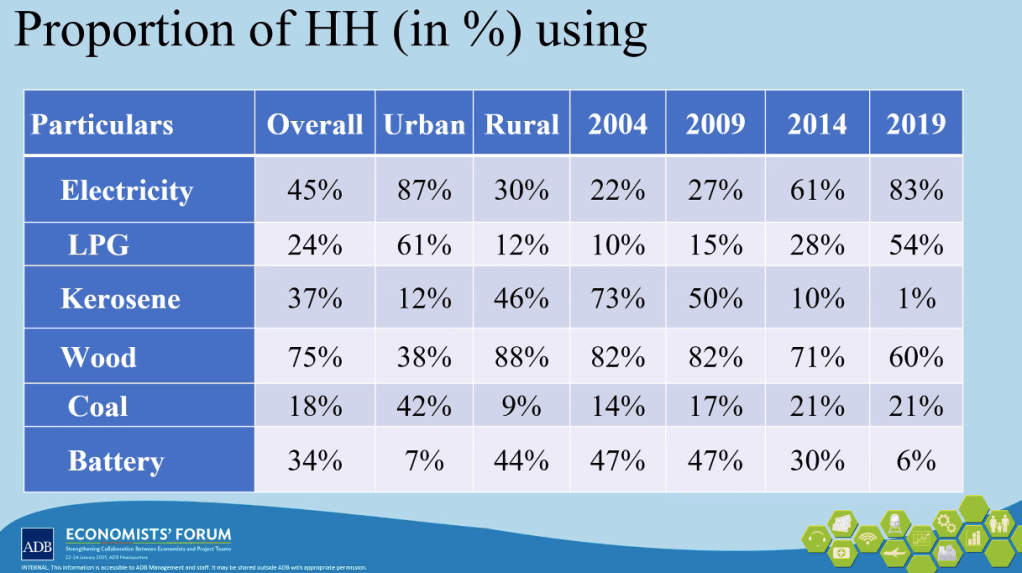
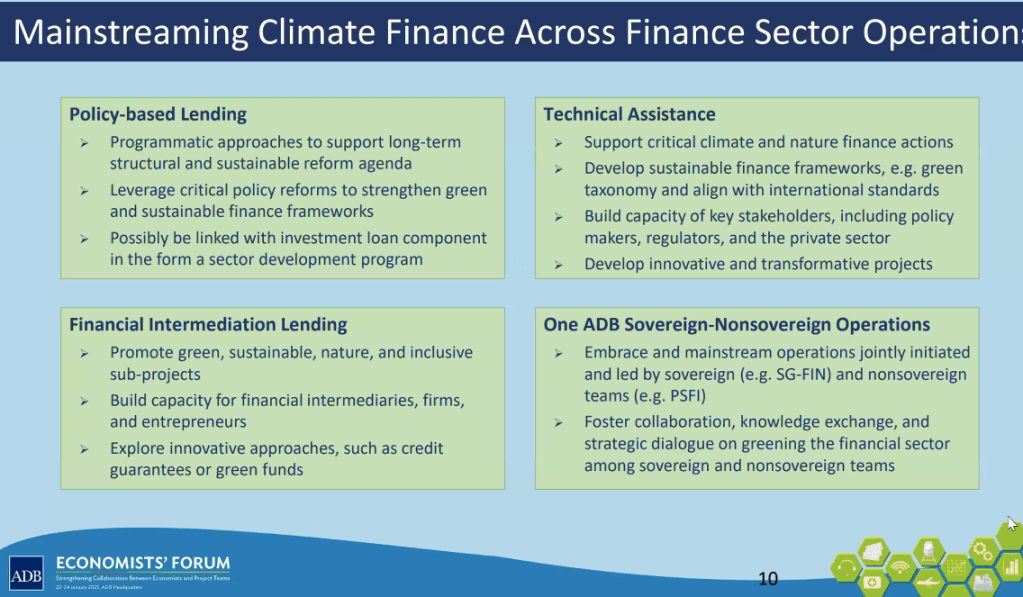
AB Agosto Attends the Economist Forum by the Asian Development Bank

Professor AB Agosto participated in the two-day Economist Forum organized by the Asian Development Bank, held on January 23-24, 2025, ADB Headquarter, Mandaluyong, Metro Manila. The forum featured an engaging array of topics, including macroeconomics, electricity markets, migration trends, climate change, and other pressing global issues.

Having served as a consultant for the Asian Development Bank, where Professor Agosto was involved in research on housing financial initiatives aimed at addressing housing backlogs, this forum provided a meaningful opportunity to gain new insights. The sessions will greatly enhance and foster cooperation among ADB consultants, strengthening collaboration on shared goals.

The event provided an excellent platform for exchanging knowledge, sharing cutting-edge research, and fostering discussions among economists and experts from various countries. It highlighted key challenges and opportunities faced by nations while addressing complex economic, social, and environmental concerns.

Professor Agosto found the sessions particularly insightful, offering fresh perspectives and actionable ideas that could potentially inspire future research and policy development.

Implication of Trump’s Immigration Policy on Philippine Real Estate

The recent announcement by newly inaugurated U.S. President Trump, suggesting a move to end birthright citizenship through an executive order, has sparked widespread debate. The proposal, targeting children born on U.S. soil to non-citizens or undocumented immigrants, challenges the long-standing application of the jus soli principle enshrined in the 14th Amendment of the U.S. Constitution. While the political and legal implications of this development have dominated headlines, the potential economic ripple effects are just as significant—not only in the United States but also for nations like the Philippines, where jus sanguinis governs citizenship by bloodline.

The jus soli principle grants citizenship to nearly anyone born within a country’s borders, while jus sanguinis, as applied in the Philippines, ties citizenship to one’s parents rather than birthplace. For Filipinos in the U.S., stricter birthright citizenship rules could mean diminished opportunities for their children to acquire U.S. citizenship automatically. This could deter future migration, affect job stability, and influence long-term investment behavior—including decisions to invest in Philippine real estate.

Filipino Migration and U.S. Immigration Data

As of 2022, about 4.1 million Filipino Americans lived in the United States, making up 17% of the nation’s total Asian American population, according to the U.S. Census Bureau. Philippine Ambassador to the United States, Jose Manuel Romualdez, recently highlighted that approximately 350,000 Filipinos are currently living illegally in the U.S. Since 2001, a total of 9,597,961 cases have been filed across all U.S. immigration courts, with only 25,301 of those involving Filipinos, including just 723 who entered without inspection (EWI). Of the 3,716,106 cases still pending in immigration court (most of which involve EWI), only 1,218 involve people born in the Philippines. This data reveals that despite Filipino Americans constituting roughly 1% of the U.S. population, they represent only 0.002% of deportation proceedings, which is a notably low percentage.

The majority of Filipinos in removal proceedings are facing deportation for overstaying their visas, with two-thirds (16,844) of these cases linked to visa overstay. An additional 3,342 are in proceedings due to committing aggravated felonies, and 3,955 have been convicted of other criminal charges. There are also 12 individuals charged with national security violations and one Filipino charged with terrorism.

The Housing Paradox and its Economic Impact

In the Philippines, the housing market is already dealing with the dual challenges of oversupply and a significant housing backlog—issues that have long plagued the country’s real estate sector. Despite efforts to address these concerns, access to affordable housing remains a critical issue. However, amid this ongoing struggle, the sector faces another blow. The potential changes in U.S. birthright citizenship policy will exacerbate the situation.

Overseas Filipino Workers (OFWs) and Filipino Americans are major drivers of real estate demand in the Philippines, sending billions of dollars in remittances annually to finance property purchases. OFWs based in the United States were the leading source of remittances received by the Philippines in 2023, amounting to around 13.71 billion U.S. dollars. However, if U.S. policy changes reduce the economic security tied to citizenship for these communities, their capacity and willingness to invest in Philippine properties could decline. This could further exacerbate the existing inventory challenges faced by real estate developers.

A reduction in U.S.-based remittances could also impact housing affordability and market segmentation. Developers, already grappling with oversupply, may need to pivot towards affordable housing to cater to the domestic market—a sector marked by intense competition. The increased supply targeting this sector could drive price corrections, creating both opportunities and risks for local buyers and investors.

Beyond the market dynamics, stricter U.S. citizenship policies could have sociopolitical implications for the Philippines. If long-term U.S. migration is discouraged for Filipinos, a potential increase in skilled professionals returning to the Philippines may reshape urban housing demand. The rental market and demand for mixed-use developments could see shifts, though it may take years for these changes to offset the current oversupply.

This issue is critical for Filipinos because migration, remittances, and real estate are deeply interconnected. The Philippine government, developers, and financial institutions must consider the potential consequences of global policy shifts, as these could have far-reaching effects on the local economy and housing market.

Housing Paradox

In recent months, news reports have painted a troubling picture of Metro Manila’s condominium market. The oversupply of residential units has reached concerning levels, raising questions about market stability and prompting analysts to propose various recommendations. While analysts focus on strategies to address the oversupply, there has been little to no effort to connect this phenomenon with the broader issue of unmet housing needs. This creates a puzzling paradox -on one side of the real estate spectrum, developers are grappling with excessive inventory in urban centers. On the other side, millions of Filipinos still lack access to adequate, affordable housing.

The stark imbalance highlights a deeper, systemic problem within the housing sector: a misalignment between supply and demand, where the needs of the population are not being met despite the abundance of residential units.

Currently, the oversupply in the condominium market translates to about 34 months of inventory at the current sales pace—nearly three times the ideal benchmark of a 12-month supply. Urban centers like Quezon City, Ortigas, and Pasay are particularly affected, with thousands of unsold units. For example, Quezon City alone has 18,500 available units, followed by Ortigas with 13,500 and Pasay’s Bay Area with 10,500. Meanwhile, high-end areas like Makati and Bonifacio Global City maintain lower inventories, reflecting steadier demand in the luxury segment.

The reasons behind this oversupply are multifaceted. High interest rates, external economic pressures, and shifting consumer preferences towards single-detached homes in suburban areas have all played a role. Developers, driven by the high returns in the mid- to high-tier condominium market, have focused on urban centers, inadvertently creating a bubble of excess inventory in certain locations.

On the other side of this paradox lies the staggering national housing backlog of 6.5 million units. This deficit primarily affects low- to middle-income families who cannot afford the properties being developed. In Central Visayas alone, the housing need is over half a million units, and while government programs like the Pambansang Pabahay para sa Pilipino Program (4PH) aim to address the backlog, progress has been slow. For instance, in Central Visayas, the Department of Human Settlements and Urban Development (DHSUD) has set a modest target of 13,000 housing units under 4PH—far from the region’s actual needs.

This paradox underscores a severe mismatch between the type of housing being supplied and the housing people need. The oversupply is concentrated in mid- to high-tier condominiums in urban areas, which are unaffordable to most Filipinos. Meanwhile, the housing backlog affects families who struggle to find even basic, affordable shelter. Rapid urbanization has driven developers to focus on city centers, where demand for high-end properties has slowed, while the needs of provincial and low-income communities remain unmet.

This misalignment has wide-ranging implications. Developers face financial losses as unsold inventories pile up, while families without access to affordable housing continue to live in substandard conditions. The situation also affects the broader economy, as stagnation in urban property markets and inadequate housing solutions limit economic mobility and growth.

To address this complex challenge, a coordinated effort is needed. Policymakers, developers, and stakeholders must work together to realign the market. Incentivizing developers to prioritize affordable housing, particularly in areas with high backlogs, is essential. Improving transportation infrastructure to make suburban housing more accessible can also help ease the concentration of developments in urban areas. Additionally, accessible financing options for low- to middle-income families, public-private partnerships, and stricter regulations to prevent future oversupply are crucial steps.

The coexistence of housing oversupply and a massive backlog highlights fundamental flaws in the Philippine real estate market. Solving this paradox requires a shift in priorities—from catering mainly to profit-driven urban developments to addressing the genuine housing needs of the majority. By doing so, the sector can foster sustainable growth, improve living conditions, and create a more equitable future for all Filipinos.

The solution to the Philippine housing paradox lies not in shifting the focus of condominium developments to other regions but in prioritizing the unmet demand for affordable housing. The fundamental issue is not merely the geographic concentration of real estate projects but the failure to align supply with the genuine needs of the population. Addressing this misalignment is key to resolving both the oversupply and the housing backlog.

Augusto B. Agosto is a passionate blogger, economist, a university professor and thought leader in real estate and urban development. With extensive experience in analyzing economic trends and real estate dynamics, he offers insightful perspectives on pressing issues such as housing, land use, and property market trends in the Philippines.

A Journey of Trust and Transformation

Blake Feken’s 20-year journey in the legal profession is a testament to the power of trust, dedication, and integrity. Formerly a senior associate lawyer at a leading firm, he founded his own real estate services company in 2014, specializing in breakthrough negotiations and innovative dispute resolution. Blake’s career has taken him through various fields—from mining and natural resources to corporate law and telecommunications—but his ultimate focus has always been on creating impactful, transformative solutions for his clients. In a recent interview, he shared his insights on the legal profession, balancing work with personal growth, and the importance of trust in client relationships.

Early Beginnings

Atty. Blake credits his mother as his inspiration for becoming a lawyer, albeit in an unexpected way. As a child, he had a natural inclination for debate, often defending his stance with explanations, alibis, and well-reasoned arguments—qualities his mother noticed and encouraged. She saw in him the potential for a legal career, urging him to channel his natural skills into law. This early push laid the foundation for a profession that would later become his passion.

Reflecting on this influence, Blake said, “My mother observed me as a smart-aleck kid who is always quick to argue, defend a position, and explain away certain behaviors. She told me to become a lawyer because I was always acting like one, (in short, mahusay magpalusot)”. It’s a reminder that sometimes, career paths are set in motion long before we realize it.

Blake’s journey in law began with an impressive range of specialties at a top law firm, where he worked on cases involving real estate, mining, government contracts, corporate law, and public utilities, among other areas. Despite his successful tenure, he ultimately felt drawn to a more specialized and impactful role in real estate, founding his company in 2014. Today, he focuses on breakthrough negotiations—finding transformative solutions to complex client issues through tailored remedies and innovative problem-solving.

This shift allowed him to not only bring his legal expertise to bear on real estate issues but also to pursue a purpose-driven approach. For Blake, it isn’t just about resolving disputes or drafting contracts; it’s about providing clients and stakeholders with meaningful, often life-changing, outcomes.

A Day in the Life

Atty. Blake describes his workday as one of deep contemplation and strategic planning. “A typical day would consist of a lot of thinking, reading, contemplating, writing, planning, and strategizing,” he shared. In his current role, he’s as much a strategist as he is a lawyer, using his time to carefully assess his clients’ needs, anticipate issues, and devise effective solutions.

This thoughtful approach aligns with Blake’s dedication to providing clients with not only legal guidance but also a roadmap for successful negotiations and outcomes. His work requires constant reflection, reminding him of the importance of clarity and foresight in making sound legal decisions.

A Defining Moment

One of the most impactful moments in Blake’s career was a situation that demonstrated the immense power of trust. A client once entrusted his firm with a P110 million deposit, without any formal contract. “This effectively demonstrates the power and speed of trust,” he remarked. This moment left a lasting impact on Atty. Blake, underscoring the responsibility and privilege that comes with being a trusted advisor. For him, trust is more than a professional standard—it’s the foundation of his entire practice, built through years of integrity and commitment to clients’ best interests.

Balancing Law with Life

The demands of the legal profession can be intense, and Blake has found balance by focusing on personal growth and renewal. Inspired by Stephen Covey’s concept of “sharpening the saw” from The 7 Habits of Highly Effective People, he prioritizes self-renewal. This practice has allowed him to maintain clarity, resilience, and a positive outlook on both his work and his personal life.

“By developing the habit of sharpening the saw or self-renewal, I’m able to sustain a balanced life and well-being,” he explained. Blake’s emphasis on self-care serves as a reminder to other professionals that maintaining mental and physical health is crucial to long-term success.

Grateful for the Journey

Looking back on his career, Blake has no regrets. “I am extremely grateful for all the things I had experienced, learned, unlearned, and relearned from life’s everyday teachings,” he reflected. He approaches each experience, challenge, and success as a building block, helping him grow personally and professionally. For Blake, life’s journey is continuous learning, with each lesson contributing to his development and capacity to serve others.

Advice for Aspiring Lawyers

When asked for advice to young lawyers, Blake’s message was clear: “Since lawyering is a noble profession, one succeeds with oneself, with others, and with life, if one consistently extends, cultivates, restores, strengthens, and inspires trust.” For him, the heart of legal practice lies in building trust and maintaining integrity. He urges aspiring lawyers to be principle-centered, consistently embodying honesty, accountability, and ethical responsibility.

Atty. Blake’s advice is both timeless and essential: trust, once established, can unlock new levels of success and fulfillment in a lawyer’s career. He sees law not merely as a profession but as a vocation, a path to serving others and creating positive change.

A Career Rooted in Purpose, Transformation, and Trust

Blake Feken’s story is one of dedication, resilience, and unwavering integrity. From his early days as an associate lawyer to his current role in real estate services, he has built a career centered on trust, innovation, and transformative solutions. His journey serves as an inspiring example for those entering the legal field, reminding them that success in law is not just about technical expertise but also about the values one brings to the practice.

In Atty. Blake’s view, the true essence of being a lawyer lies in cultivating trust and using one’s skills to bring about meaningful, positive outcomes. His commitment to his clients and personal growth exemplify what it means to succeed in law with integrity and purpose.

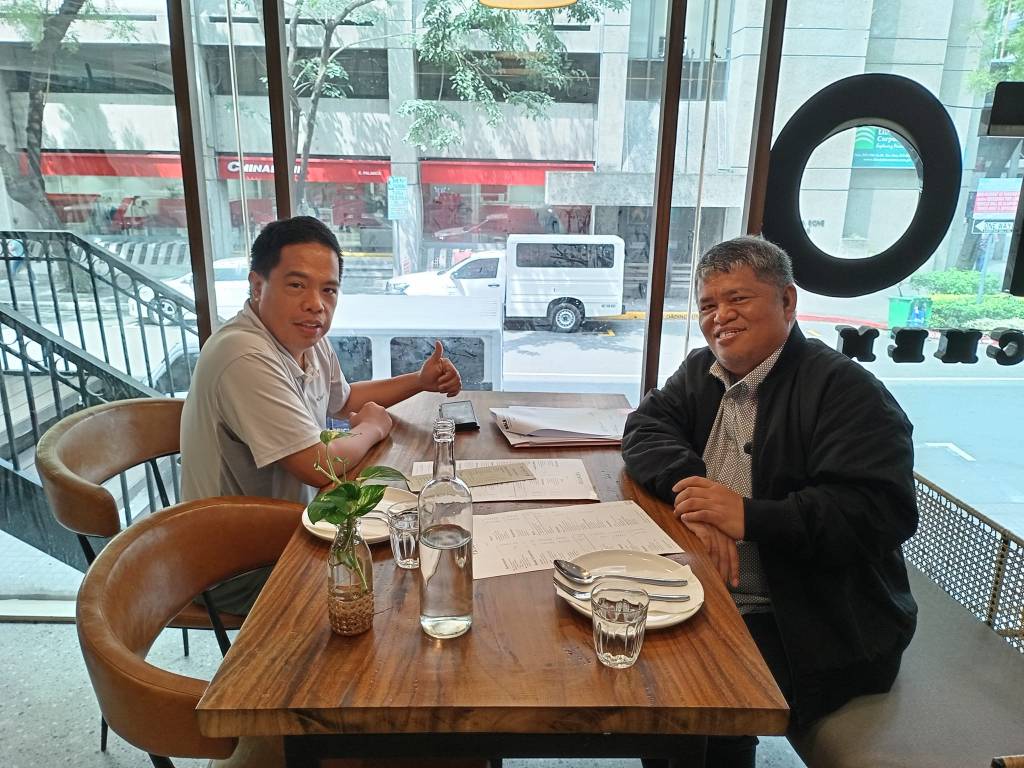
Atty. Blake Feken with Gus Agosto

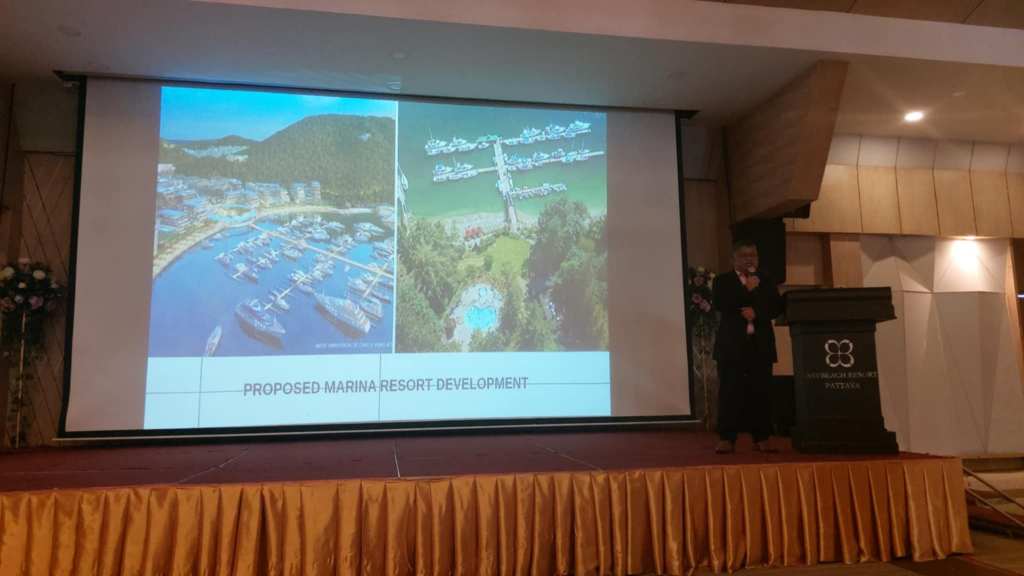
Consultant Gus Agosto at the World Congress of Resort Properties

Consultant Gus Agosto delivered an insightful presentation at the prestigious World Congress of Resort Properties held in Pattaya, Thailand. His talk focused on the integration of valuation and planning practices in the context of Lapulapu City, Philippines—a city renowned for its vibrant tourism and resort industry.

In his speech, Agosto emphasized the importance of leveraging advanced valuation methodologies to complement sustainable planning efforts. He remarked, “The exploitation of various methodologies in valuation, coupled with the principles of highest and best use and feasibility analysis, can yield more reliable estimations. These, in turn, align closely with the goals of sustainable and responsible urban planning.” His insights underscored the critical role of integrating economic, environmental, and social considerations in developing resort-based real estate projects.

The World Congress served as an invaluable platform for participants from around the globe to exchange experiences and insights into real estate practices focused on resorts and hotels. Agosto highlighted how both the indoor seminars and on-site study visits provided participants with hands-on learning opportunities. He noted that these activities offered a deeper understanding of innovative approaches and strategies in real estate development, which would significantly enhance the professional practices of attendees.

Pattaya, Thailand, was a fitting venue for the event, being globally recognized as a premier resort city. Its reputation as a hub of hospitality and tourism added a dynamic layer to the Congress, enriching discussions and case studies with real-world examples of successful resort property development. Agosto concluded that the knowledge shared at the event would undoubtedly elevate the standards of real estate practice among the participants, fostering innovation and collaboration in the global resort property sector.

Supreme Court Decision on Recognition of Foreign Divorce – Gerbert R. Corpuz vs. Daisylyn Tirol Sto. Tomas and the Solicitor General, G.R.186571

In the case of Gerbert R. Corpuz vs. Daisylyn Tirol Sto. Tomas and the Solicitor General, the Supreme Court addressed the requirements and procedures for recognizing a foreign divorce obtained by a Filipino citizen and a foreign spouse. The decision highlights the conditions under Philippine law for the judicial recognition of foreign divorce decrees and how such recognition must be sought.

Case Background

Gerbert R. Corpuz, a naturalized Canadian citizen, married Filipina Daisylyn Sto. Tomas in 2005. After discovering that Daisylyn was involved in an extramarital affair, Gerbert returned to Canada, where he filed for and obtained a divorce in 2006. Desiring to remarry in the Philippines, he sought to have the divorce decree recognized so he could lawfully remarry. However, Philippine law requires a judicial order for the recognition of a foreign divorce, prompting Gerbert to file a petition with the Regional Trial Court (RTC) for this purpose.

The RTC denied Gerbert’s petition, ruling that, under Article 26 of the Family Code, only the Filipino spouse may file for judicial recognition of the divorce. This provision allows a Filipino spouse to remarry if their foreign spouse has obtained a divorce abroad. Since Gerbert, the foreign spouse, filed the petition, the RTC ruled that he could not avail himself of this provision.

Jurisdictional and Procedural Requirements: Rule 108

The Supreme Court noted that changes in the civil registry must comply with strict jurisdictional and procedural requirements set by Article 412 of the Civil Code and Rule 108 of the Rules of Court. Article 412 stipulates that no entry in the civil register may be altered without a judicial order, while Rule 108 provides a special procedure for the judicial correction or cancellation of civil registry entries.

For the judicial recognition of foreign divorce, Rule 108 mandates the following:

  • The petition must be filed with the RTC in the province where the civil registry is located.
  • All interested parties, including the civil registrar, must be named as parties in the proceedings.
  • A notice of the time and place of the hearing must be published in a newspaper of general circulation.

Since Gerbert’s petition did not fulfill these jurisdictional requirements, the Supreme Court could not consider it as a proper petition under Rule 108.

Recognition of Foreign Divorce under Rule 108

The Supreme Court clarified that the process for recognizing a foreign divorce decree can be integrated within a Rule 108 proceeding. This would avoid the need for separate proceedings, one for recognizing the foreign divorce and another for correcting or canceling civil registry entries. Rule 108 provides an avenue to establish the legal status or rights of a party and can serve as an adversarial proceeding to test the validity of a foreign judgment, especially in terms of jurisdictional issues, notice, fraud, collusion, or legal mistakes.

Conclusion

This case underscores that for a foreign divorce to be legally recognized in the Philippines, especially where one party is a Filipino citizen, it is necessary to meet procedural requirements under Rule 108. While foreign divorces can be recognized, they must be pursued by the Filipino spouse and follow the jurisdictional prerequisites to be effective in altering civil registry entries. This decision reiterates the importance of due process and adherence to procedural requirements in ensuring that foreign judgments are accurately and fairly integrated into Philippine civil law.

Link to the case: https://elibrary.judiciary.gov.ph/thebookshelf/showdocs/1/54282

Passion and Purpose (First of two parts)

The Inspiring Story of Atty. Filomeno A. Arteche III

For over four decades, Atty. Filomeno A. Arteche III has dedicated his life to the legal profession. His journey, marked by dedication, discipline, and an unbreakable commitment to excellence, has led him to represent some of the Philippines’ most notable figures, from Ramon Ang of San Miguel Corporation to the renowned architect Jun Palafox. Today, he stands as one of the most respected figures in private practice, but behind the titles and accolades, he is a family man, a mentor, and a person who values life’s simpler pleasures. Here, Atty. Arteche reflects on his career, the influences that shaped him, and the lessons he wishes to pass on to aspiring lawyers.

Early Beginnings

Atty. Arteche’s path to the legal profession was inspired by his father, a former mayor of Tacloban City and past president of the Integrated Bar of the Philippines Leyte Chapter. “I knew in high school that I would be a lawyer,” he recalls. His father’s influence was profound, taking him to court hearings and client meetings, sparking in him a fascination with the legal process. Coming from a family with a strong legal tradition, including two lawyer siblings, he pursued his ambition with vigor.

He began his academic journey as a top student, graduating as the valedictorian of his pre-law class at the University of the Philippines. In law school, he continued to excel, graduating as second honor from the Ateneo de Manila School of Law in 1981. His commitment to hard work and diligence laid the foundation for a successful legal career that spans more than four decades.

Career and Growth

Atty. Arteche launched his legal career with the prestigious Angara, Concepcion, Regala & Cruz (ACCRA) Law Offices, where he worked as a Junior Associate for 14 years. His early experiences provided a wealth of knowledge, but it was also during this time that he honed his specialization and became a recognized expert in litigation and corporate law.

Later, he transitioned to corporate roles, serving as Corporate Secretary, Legal Counsel, and Personnel Manager at Philippine Solid Finance and Credit Corporation and as a Corporate Lawyer for Philippine Investment Management Consultants, Inc. (PHINMA). By 2003, he established his firm, Filomeno A. Arteche III and Associates, embodying his entrepreneurial spirit and desire to chart his path in the legal world.

A Day in the Life of a Lawyer

As a seasoned litigator, Atty. Arteche spends much of his day in court, meticulously reviewing cases, jurisprudence, and strategies. His day begins with a clear plan, reviewing schedules and visualizing the tasks ahead. “In life, there must be a plan,” he emphasizes, reflecting his disciplined approach. Whether preparing for a court appearance or strategizing with clients, he is deeply committed to his work, driven by a desire to achieve the best outcomes for those he represents.

Memorable Cases and Professional Impact

One significant moment in his career was defending a mayor from Sagiaran, Lanao del Sur, who had been wrongly accused and included in a “narco list” of the Duterte Administration. Facing immense pressure, Atty. Arteche handled media interviews and worked tirelessly to clear his client’s name. Cases like these, where trust and integrity were on the line, shaped his view on the importance of being a trustworthy advocate.

He also recounts an early encounter with a prominent client, the owner of PHINMA, wearing an exquisite Patek Philippe watch. The moment left an impression on the young Arteche, symbolizing the rewards that hard work and dedication could bring. Today, he proudly owns six Patek Philippe watches, a reminder of the goals he set for himself early in his career.

Balancing Career and Family Life

For Atty. Arteche, family comes second only to God. He proudly speaks of his achievements, not in terms of wealth but in the memories he has created with his family. A memorable example is the time he took his entire family, including in-laws and grandchildren, on a European vacation, following a successful case. “Money can still be recovered, but the bonding, the memory—you cannot buy that,” he says. His family’s happiness and well-being remain his top priority, and he is proud to see all his children now as successful professionals and businesspeople.

He is deeply involved in the Rotary, an organization dedicated to community service, where he actively contributes to helping those in need, particularly the less fortunate. For him, the true essence of making a difference does not lie in holding a political office. He believes that one does not need to be a politician to make a meaningful impact on others’ lives. He is critical of politics, viewing it not only as a chaotic environment but also as a field where corruption often prevails. His passion for community service remains rooted in direct action and philanthropy rather than in the political arena.

Reflections and Regrets

Looking back, Atty. Arteche’s only regret is that his father did not live to see his success. While his mother witnessed and celebrated his achievements, he wishes his father could have been there to see how his influence and mentorship shaped him into the lawyer he became. He values hard work and independence, not relying on inheritance but on personal dedication and a drive to succeed.

Advice for Aspiring Lawyers

For those considering a career in law, Atty. Arteche offers several guiding principles. “Lawyering is a noble profession,” he says, emphasizing the need for passion, commitment, and discipline. He advises aspiring lawyers to develop “Smooth Interpersonal Relationships” (SIR), avoid arrogance, and cultivate good public relations. Personal presentation also matters; he believes a lawyer should always present themselves professionally, starting with a well-tailored barong.

Networking and community service are equally important. By joining civic organizations and serving the community, lawyers can build a reputation that extends beyond the courtroom. Atty. Arteche believes success is a matter of attitude as much as aptitude. “Remember, it’s not simply your aptitude but your attitude that will determine your altitude in life,” he shares.

Legacy and Living Life Fully

At the core of Atty. Arteche’s philosophy is the belief that life is about choices. His journey exemplifies resilience, dedication, and a passion for the law, shaped by the people he has served and the family he cherishes. Beyond his professional accomplishments, he is proud to be a caring son, loving husband, proud father, doting grandfather, reliable brother, and loyal friend.

Atty. Arteche’s story serves as an inspiration, not only for lawyers but for anyone who values hard work, integrity, and family. His advice and example underscore the belief that a life well-lived is one dedicated to both professional excellence and personal fulfillment. (To be continued)

Leaving the Shore: A Challenge to Aspiring Lawyers (Second of two parts)

The phrase “You cannot discover a new ocean unless you have the courage to leave the shore” is a wisdom that resonates deeply in the journey of Atty. Filomeno A. Arteche III, who for over four decades has exemplified what it means to leave the “shore” in pursuit of excellence and truth in the legal profession.

From his early days as a young lawyer, Atty. Arteche embarked on a path marked by dedication, discipline, and a relentless commitment to his principles. Throughout his career, he has represented high-profile clients, including Ramon Ang of San Miguel Corporation and the distinguished architect Jun Palafox. His extensive body of work, integrity, and precision have earned him not only respect in private practice but also a revered place as a mentor and family man. But behind his notable success lies the courage to venture beyond familiar terrain and tackle challenging cases and complex issues.

The Shore of Comfort and the Call to Adventure in Law

For aspiring lawyers, the “shore” symbolizes the structured world of academia and the comfort zone of established routines. The journey of law school, internships, and initial years in practice can create a sense of safety, but true growth only begins when one dares to move beyond these boundaries. For Atty. Arteche, the willingness to lose sight of the shore meant immersing himself fully in cases that tested his skill, challenged his values, and demanded his utmost perseverance. His career is a testament to the rewards of leaving the shore, marked by high-profile cases that required meticulous legal strategy, compassion, and integrity.

Atty. Arteche’s life story offers rich lessons for those just beginning their legal careers. His dedication to excellence didn’t mean a pursuit of accolades alone but rather a steadfast commitment to his clients and the ethical foundations of the profession. Atty. Arteche’s path involved facing unknowns, embracing failure as part of growth, and continuously expanding his capabilities. For aspiring lawyers, his life underscores that leaving the shore is about more than risk; it’s about discovering new capacities within oneself, refining professional values, and committing to justice even in complex, high-stakes situations.

Embracing the Ocean

Pursue Purpose Over Comfort: Atty. Arteche’s journey reflects the value of purpose over convenience. Young lawyers should choose paths that challenge them and align with their core principles, recognizing that real growth often requires leaving behind the predictable.

Commit to Lifelong Learning: Just as Atty. Arteche honed his skills and knowledge over decades, aspiring lawyers must approach their careers as continuous journeys, always seeking to improve and expand their understanding.

Seek Mentorship and Build Character: Known as a mentor, Atty. Arteche exemplifies how guidance from experienced lawyers can provide invaluable insights and shape a young lawyer’s approach to challenges.

Balance Work with Life’s Simple Joys: Beyond the courtroom, Atty. Arteche is a family man and a person who values simplicity. His life reminds young lawyers that while dedication to the profession is vital, finding balance and joy in personal life is equally important.

Atty. Arteche’s career demonstrates that leaving the shore is not a one-time decision but a mindset that shapes a lifelong journey. His willingness to take on some of the country’s most complex cases and his dedication to his clients, family, and community have solidified his legacy in the legal profession. Aspiring lawyers who look to his example will find not only inspiration but also a roadmap for building a career marked by integrity, resilience, and a deep sense of purpose.

As the words remind us, “discovering a new ocean” requires a boldness to face unknown challenges. Atty. Arteche’s story illustrates that for those in the legal profession, stepping beyond the shore isn’t just about professional success; it’s about becoming a lawyer who embodies excellence, compassion, and an unwavering commitment to justice.

Read the first part, here is the link https://abagosto.com/2024/11/13/passion-and-purpose/