Housing Paradox

In recent months, news reports have painted a troubling picture of Metro Manila’s condominium market. The oversupply of residential units has reached concerning levels, raising questions about market stability and prompting analysts to propose various recommendations. While analysts focus on strategies to address the oversupply, there has been little to no effort to connect this phenomenon with the broader issue of unmet housing needs. This creates a puzzling paradox -on one side of the real estate spectrum, developers are grappling with excessive inventory in urban centers. On the other side, millions of Filipinos still lack access to adequate, affordable housing.

The stark imbalance highlights a deeper, systemic problem within the housing sector: a misalignment between supply and demand, where the needs of the population are not being met despite the abundance of residential units.

Currently, the oversupply in the condominium market translates to about 34 months of inventory at the current sales pace—nearly three times the ideal benchmark of a 12-month supply. Urban centers like Quezon City, Ortigas, and Pasay are particularly affected, with thousands of unsold units. For example, Quezon City alone has 18,500 available units, followed by Ortigas with 13,500 and Pasay’s Bay Area with 10,500. Meanwhile, high-end areas like Makati and Bonifacio Global City maintain lower inventories, reflecting steadier demand in the luxury segment.

The reasons behind this oversupply are multifaceted. High interest rates, external economic pressures, and shifting consumer preferences towards single-detached homes in suburban areas have all played a role. Developers, driven by the high returns in the mid- to high-tier condominium market, have focused on urban centers, inadvertently creating a bubble of excess inventory in certain locations.

On the other side of this paradox lies the staggering national housing backlog of 6.5 million units. This deficit primarily affects low- to middle-income families who cannot afford the properties being developed. In Central Visayas alone, the housing need is over half a million units, and while government programs like the Pambansang Pabahay para sa Pilipino Program (4PH) aim to address the backlog, progress has been slow. For instance, in Central Visayas, the Department of Human Settlements and Urban Development (DHSUD) has set a modest target of 13,000 housing units under 4PH—far from the region’s actual needs.

This paradox underscores a severe mismatch between the type of housing being supplied and the housing people need. The oversupply is concentrated in mid- to high-tier condominiums in urban areas, which are unaffordable to most Filipinos. Meanwhile, the housing backlog affects families who struggle to find even basic, affordable shelter. Rapid urbanization has driven developers to focus on city centers, where demand for high-end properties has slowed, while the needs of provincial and low-income communities remain unmet.

This misalignment has wide-ranging implications. Developers face financial losses as unsold inventories pile up, while families without access to affordable housing continue to live in substandard conditions. The situation also affects the broader economy, as stagnation in urban property markets and inadequate housing solutions limit economic mobility and growth.

To address this complex challenge, a coordinated effort is needed. Policymakers, developers, and stakeholders must work together to realign the market. Incentivizing developers to prioritize affordable housing, particularly in areas with high backlogs, is essential. Improving transportation infrastructure to make suburban housing more accessible can also help ease the concentration of developments in urban areas. Additionally, accessible financing options for low- to middle-income families, public-private partnerships, and stricter regulations to prevent future oversupply are crucial steps.

The coexistence of housing oversupply and a massive backlog highlights fundamental flaws in the Philippine real estate market. Solving this paradox requires a shift in priorities—from catering mainly to profit-driven urban developments to addressing the genuine housing needs of the majority. By doing so, the sector can foster sustainable growth, improve living conditions, and create a more equitable future for all Filipinos.

The solution to the Philippine housing paradox lies not in shifting the focus of condominium developments to other regions but in prioritizing the unmet demand for affordable housing. The fundamental issue is not merely the geographic concentration of real estate projects but the failure to align supply with the genuine needs of the population. Addressing this misalignment is key to resolving both the oversupply and the housing backlog.

Augusto B. Agosto is a passionate blogger, economist, a university professor and thought leader in real estate and urban development. With extensive experience in analyzing economic trends and real estate dynamics, he offers insightful perspectives on pressing issues such as housing, land use, and property market trends in the Philippines.
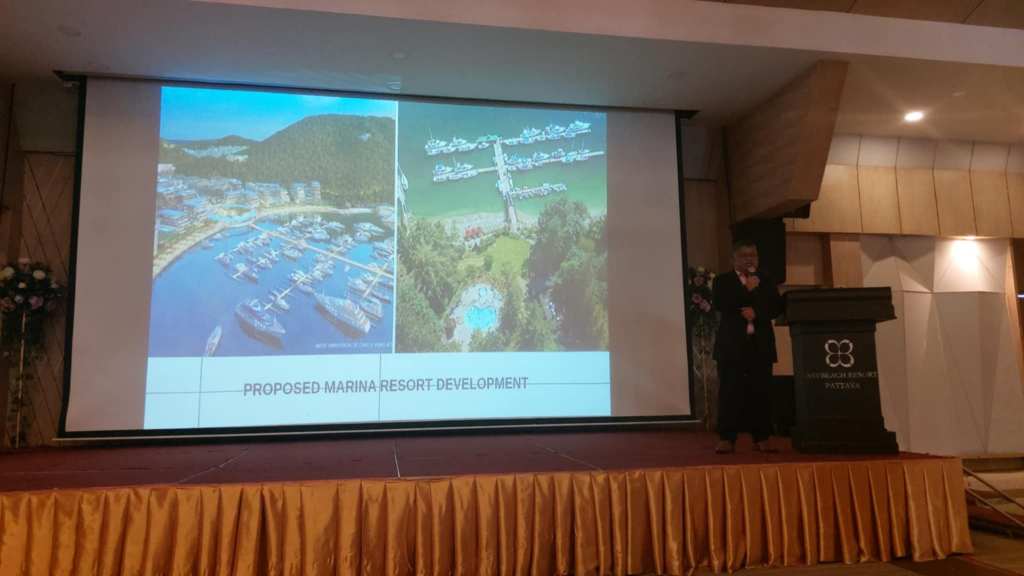
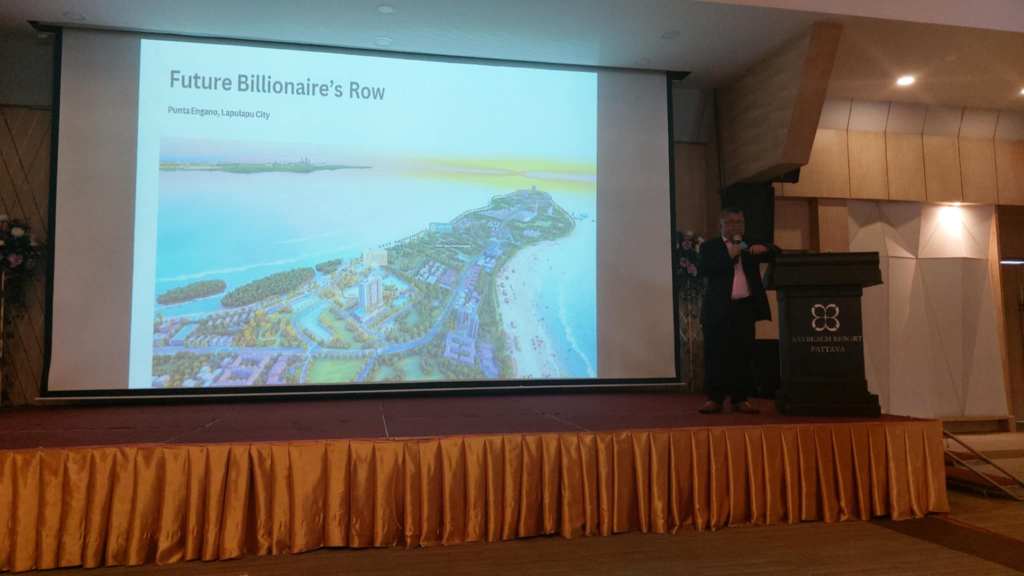
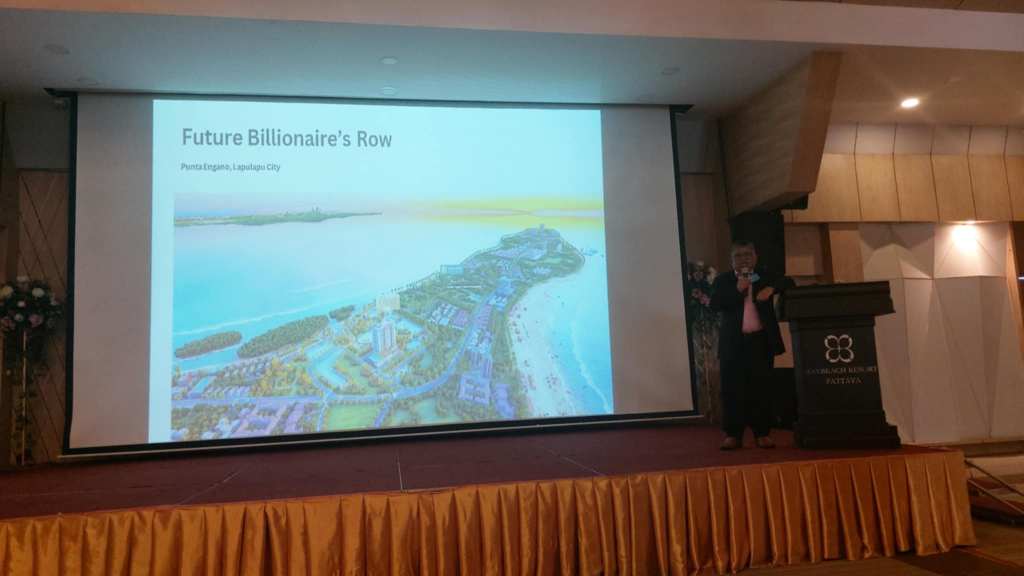
Consultant Gus Agosto at the World Congress of Resort Properties

Consultant Gus Agosto delivered an insightful presentation at the prestigious World Congress of Resort Properties held in Pattaya, Thailand. His talk focused on the integration of valuation and planning practices in the context of Lapulapu City, Philippines—a city renowned for its vibrant tourism and resort industry.

In his speech, Agosto emphasized the importance of leveraging advanced valuation methodologies to complement sustainable planning efforts. He remarked, “The exploitation of various methodologies in valuation, coupled with the principles of highest and best use and feasibility analysis, can yield more reliable estimations. These, in turn, align closely with the goals of sustainable and responsible urban planning.” His insights underscored the critical role of integrating economic, environmental, and social considerations in developing resort-based real estate projects.

The World Congress served as an invaluable platform for participants from around the globe to exchange experiences and insights into real estate practices focused on resorts and hotels. Agosto highlighted how both the indoor seminars and on-site study visits provided participants with hands-on learning opportunities. He noted that these activities offered a deeper understanding of innovative approaches and strategies in real estate development, which would significantly enhance the professional practices of attendees.

Pattaya, Thailand, was a fitting venue for the event, being globally recognized as a premier resort city. Its reputation as a hub of hospitality and tourism added a dynamic layer to the Congress, enriching discussions and case studies with real-world examples of successful resort property development. Agosto concluded that the knowledge shared at the event would undoubtedly elevate the standards of real estate practice among the participants, fostering innovation and collaboration in the global resort property sector.

BLGF Invites Prof. Agosto in RPVRA IRR Workshop

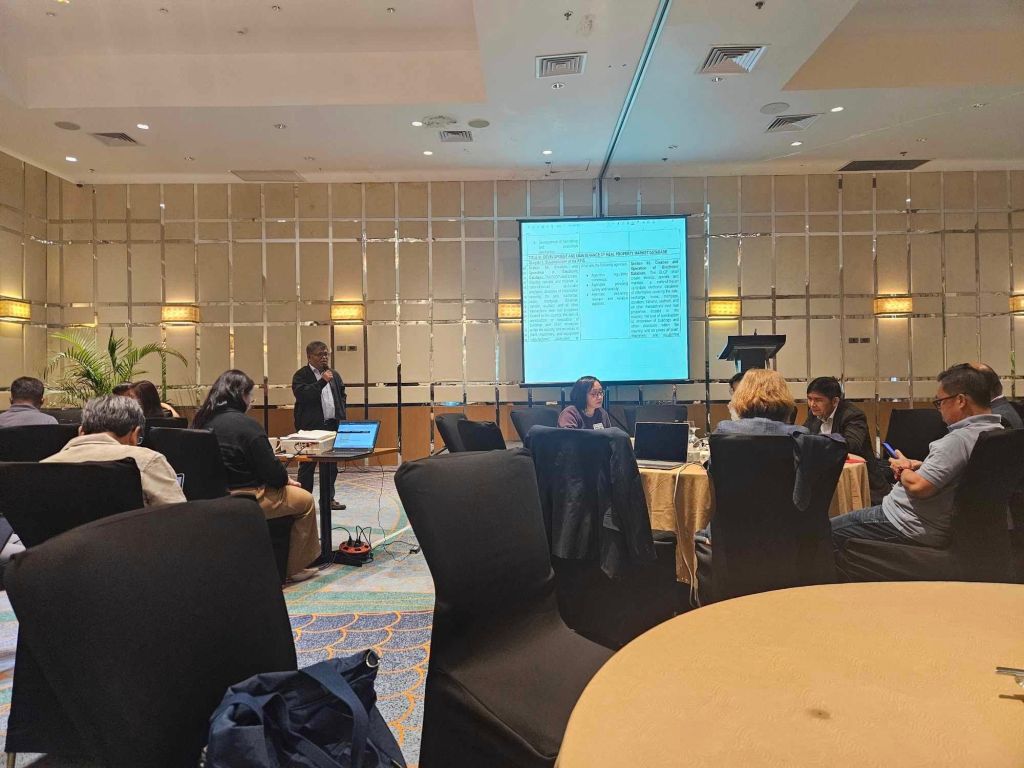
The Bureau of Local Government Finance (BLGF), a key agency responsible for overseeing local government revenue collection and fiscal policies, recently invited Gus Agosto, the President of the Society of Litigation Valuation Experts (SOLVE), to participate in a significant event aimed at shaping the future of property valuation in the Philippines. This event was the Workshop for the Implementing Rules and Regulations (IRR) of the Real Property Valuation and Reassessment Act (RPVRA), held from August 20 to 23, 2024 at Dusit Thani in Lapu-Lapu City, Cebu.

The workshop’s primary objective was to finalize the Implementing Rules and Regulations (IRR) for the RPVRA, a groundbreaking piece of legislation aimed at reforming real estate property valuation practices across the country. The RPVRA’s provisions are geared toward:

  • Standardizing real property valuation across Local Government Units (LGUs),
  • Strengthening the efficiency of property tax collection,
  • Enhancing transparency in government-led real estate transactions,
  • Establishing a National Valuation Database.

Given the far-reaching implications of the RPVRA, this workshop was crucial for ensuring that the IRR accurately reflected the spirit of the law while considering the practical realities of its implementation.

Prof. Gus Agosto, representing Group 1 in the discussions, played a central role in examining and debating key provisions of the RPVRA, particularly those affecting litigation-related valuation issues. His expertise as the President of SOLVE, an organization specializing in property valuation in legal disputes, added valuable insights into the drafting process. Group 1 likely focused on technical aspects of valuation practices, dispute resolution, and how to ensure the law’s provisions are consistently applied across regions.

His participation underscored the importance of collaboration between government bodies, private sector experts, and organizations such as SOLVE, as they worked to ensure that the IRR would be both legally sound and implementable at the local level.

The workshop was attended by a diverse group of stakeholders from the Visayas and Mindanao regions, representing both the public and private sectors:

  • Government Agencies:
    • Bureau of Local Government Finance (BLGF): Ensures local government revenue collection aligns with new valuation standards.

    • Bureau of Internal Revenue (BIR): Guides interactions of RPVRA with tax administration.

    • Philippine Tax Academy: Supports training for assessors and tax officers.

    • Local Government Assessors: Implement new valuation standards at local levels.

    • Phividec Industrial Authority: Focuses on how the new valuation law affects industrial property valuations.


      Private Sector:


    • Real estate practitioners, property developers, and valuation experts shared insights on the law’s impact on real estate and investments.

During the workshop, various provisions of the RPVRA were debated, including:

  1. Valuation Standards:
    • Ensuring uniformity in real property valuation across all LGUs, addressing long-standing issues with inconsistent property assessments in different regions.
  2. Creation of the National Valuation Database:
    • Discussing the technical requirements, privacy concerns, and the operational framework of the database, which would be central to transparent and reliable valuation practices.
  3. Periodic Revaluation Requirements:
    • The IRR’s requirement for LGUs to conduct regular updates to property valuations would address the issue of outdated valuations that impact fair taxation and public transactions.
  4. Appraisers’ and Assessors’ Qualifications:
    • Emphasis was placed on professionalizing the appraisal practice through standardized training and certification programs, with contributions from the Philippine Tax Academy.
  5. Litigation-Related Provisions: Mr. Agosto’s involvement focused on mechanisms for resolving valuation disputes, particularly in cases of eminent domain, where the government acquires private property for public use, and determining just compensation becomes critical.

The workshop was pivotal for finalizing the IRR, which would serve as the guiding document for the implementation of the RPVRA across the country. This collaborative effort between the government and the private sector aims to ensure that real estate valuation practices in the Philippines align with international standards, promote transparency, and support the fair and equitable taxation of real properties.

The participation of key government bodies such as the BIR and the BLGF, alongside valuation experts like Gus Agosto, ensures that the IRR addresses both the technical and practical aspects of real estate property valuation, enhancing the law’s chances of being effectively implemented across the country’s LGUs.

Prof. Agosto Invited to Speak at International Forum on Real Estate

Prof. Gus Agosto, president of the Society of Litigation Valuation Experts (SOLVE), was invited as one of the speakers at the International Forum on Real Estate held from August 28 to September 1, 2024, in Bangkok, Thailand. The prestigious event brought together top industry leaders, policymakers, and real estate professionals to discuss the latest trends, challenges, and innovations in global real estate markets.

Agosto, known for his expertise in real estate appraisal and litigation valuation, addressed key issues such as the evolving role of government regulation, the importance of professional accreditation, and best practices for real estate valuation. Drawing from his extensive experience in shaping industry reforms, including his participation in issues such as the Proposed Professional Guidelines, and the Real Property Valuation Reform Act (RPVRA), Agosto emphasized the need for transparency and high standards in real estate practices.

His participation in the forum underscored his commitment to advancing professional standards in the industry and contributing to a more sustainable and equitable real estate market not only in the country but also around the world.

The Essential Role of Master Planning in Real Estate

Clients often want to explore what their properties can become, not just what they are worth today. Potential encompasses the possible future uses and developments that can enhance the value and utility of the property. Through master planning, we analyze various factors such as location, market trends, demographic shifts, and regional growth patterns to identify opportunities for development and improvement.

Maximal use refers to optimizing the utilization of a property to achieve its highest and best use. This involves detailed planning and strategic decision-making to ensure that the property is developed in a way that maximizes its value, functionality, and sustainability. We consider various scenarios and use cases, from residential and commercial developments to mixed-use projects, ensuring that every square meter of the property is used effectively.

In contrast to conventional master plans focused narrowly on technical and physical aspects, our approach is more expansive and inclusive. We go beyond traditional boundaries of architecture and engineering to incorporate rigorous analyses of market trends, legal, economic feasibility, environmental sustainability, and comprehensive risk management. This broader perspective ensures that our projects are not only viable but also resilient and adaptive to changing environments and challenges.

The Role of Master Planning

Our master planning services begin with a thorough analysis of the property, including its legal and physical characteristics, existing infrastructure, and environmental conditions. We also conduct market and feasibility studies to understand the economic viability of potential developments. This comprehensive analysis forms the foundation of our master plans, ensuring they are grounded in reality and aligned with market demands.

Master planning is about creating a strategic vision for the property’s future. We collaborate with our clients to understand their goals and aspirations, integrating their vision into the master plan. This strategic approach ensures that the plan not only addresses immediate needs but also sets a course for long-term growth and development.

Market Analysis

Market analysis is a cornerstone of effective master planning in real estate, providing essential insights into market trends, demand-supply dynamics, and consumer behavior. By conducting thorough analyses, master planners can identify opportunities, mitigate risks, and optimize strategies to enhance project feasibility and long-term success. Integrating market insights ensures that developments are not only responsive to current market conditions but also positioned for sustainable growth and resilience in the future.

Financial Analysis

Financial viability is a cornerstone of successful master planning. We conduct detailed financial analyses to assess the feasibility of proposed developments. This includes market analysis, financial modelling, cost estimation, revenue projections, and return on investment calculations. By evaluating the financial aspects thoroughly, we help clients make informed decisions and attract potential investors.

Economic Impact

Master planning also considers the broader economic impact of development projects. Economic analysis in real estate and investment decisions involves several key tools and techniques that guide investors and developers in making informed choices. We analyze how proposed developments can stimulate local economies, create job opportunities, and attract businesses and investments. This holistic view ensures that the development contributes positively to the economic vitality of the region.

Environmental Sustainability

Sustainable development is at the core of our planning process. We conduct comprehensive environmental impact assessments to understand and mitigate the ecological footprint of developments. This includes evaluating potential impacts on air and water quality, natural habitats, and biodiversity. Our plans incorporate green building practices, energy efficiency measures, and renewable energy solutions to minimize environmental impact.

Our master plans emphasize the integration of green spaces, parks, and recreational areas to enhance the quality of life for residents and promote environmental sustainability. These spaces not only provide aesthetic and health benefits but also contribute to the ecological balance of the area.

Legal and Regulatory Compliance

Legal due diligence and proactive management of ownership and legal barriers are integral to effective master planning in real estate. By verifying ownership, identifying legal barriers, and ensuring regulatory compliance, we mitigate risks, enhance project feasibility, and facilitate smooth implementation. We also ensure that all projects comply with local, regional, and national regulations. This includes zoning laws, building codes, environmental regulations, and land use policies. This proactive approach enhances project feasibility, mitigates risks, and facilitates smooth implementation

Risk management is integral to our master planning approach. We identify potential legal, financial, and environmental risks and develop strategies to mitigate them. This proactive approach ensures the long-term success and sustainability of our projects.

Conclusion

Our clients look to us for more than just property valuations; they seek insights into the potential and maximal use of their properties. Through our comprehensive master planning services, we provide the strategic vision, detailed analysis, and innovative solutions needed to unlock that potential and maximize use. By integrating financial viability, economic impact, environmental sustainability, and legal compliance, we ensure that our projects are sustainable, resilient, and successful.

This holistic approach not only enhances the value of the property but also ensures balanced growth that preserves natural resources, promotes community well-being, and fosters long-term economic vitality. Our expertise in master planning positions us to lead in nurturing and developing thriving communities that stand the test of time.

RBH No. 6’s Impact on Philippine Urban Economics

As an urban economist scrutinizing the proposed Resolution of Both Houses (RBH) No. 6 in the Philippines, which aims to amend economic provisions, particularly in foreign ownership restrictions, my analysis delves into the intricate interplay between policy shifts, land dynamics, and the urban economic landscape.

RBH No. 6 seeks to introduce a clause, “unless provided by law,” particularly targeting the easing of limitations on foreign ownership of industries, including public utilities, currently adhering to a 60% Filipino – 40% foreign ownership rule. This proposed change has sparked concerns and discussions surrounding its potential impact on land prices, speculation, and housing dynamics.

With the nation’s total land area officially designated at 30 million hectares, featuring 14.2 million hectares of alienable and disposable land and 15.8 million hectares classified as forestland, RBH No. 6 introduces a crucial clause, “unless provided by law,” indicating a strategic move to ease restrictions on foreign ownership, notably in public utilities.

From an urban economic standpoint, the proposal is a harbinger of potential shifts in the demand and supply dynamics of the real estate market. The envisioned increased access to land ownership by foreign entities is anticipated to stimulate demand, particularly in prime urban locations or areas ripe for development. This surge in demand, coupled with heightened competition for available land, is poised to exert upward pressure on land prices, creating a complex economic environment.

Historically, rising land prices have been a catalyst for speculative activities in real estate markets. Local and foreign investors may strategically position themselves, acquiring land not for immediate utilization but with an eye on future profit margins. The resultant speculation poses challenges to the principles of efficient urban economic markets and warrants careful consideration in the broader economic landscape.

In the field of urban planning, the proposed changes present both opportunities and challenges. Increased foreign capital may translate into a wave of urban development projects, shaping the physical and economic landscape of cities. This influx of investment has the potential to bring innovation, modern infrastructure, and sustainable practices to the forefront of urban planning initiatives, aligning with contemporary economic paradigms.

However, the lens of an urban economist also necessitates a nuanced understanding of potential pitfalls. Gentrification, a potential byproduct of increased foreign investment in select urban areas, raises concerns about the equitable distribution of economic benefits. As property values rise and the cost of living increases, the risk of displacement for existing communities becomes a significant urban economic consideration.

Navigating the economic implications of RBH No. 6 requires adept policy responses. Effective government intervention, characterized by judicious regulation and strategic urban planning, is essential to harness the positive economic forces while mitigating potential negatives. Measures such as targeted taxation, zoning regulations, and policies to safeguard affordable housing are paramount.

As RBH No. 6 continues to be a focal point of discourse, urban economists emphasize the need for a holistic approach. Rigorous economic analyses, coupled with an understanding of urban dynamics, are imperative to inform policymakers on how to balance the influx of foreign investment with the preservation of economic equity, sustainable urban development, and the overarching economic resilience of the Philippines.