A Journey of Trust and Transformation

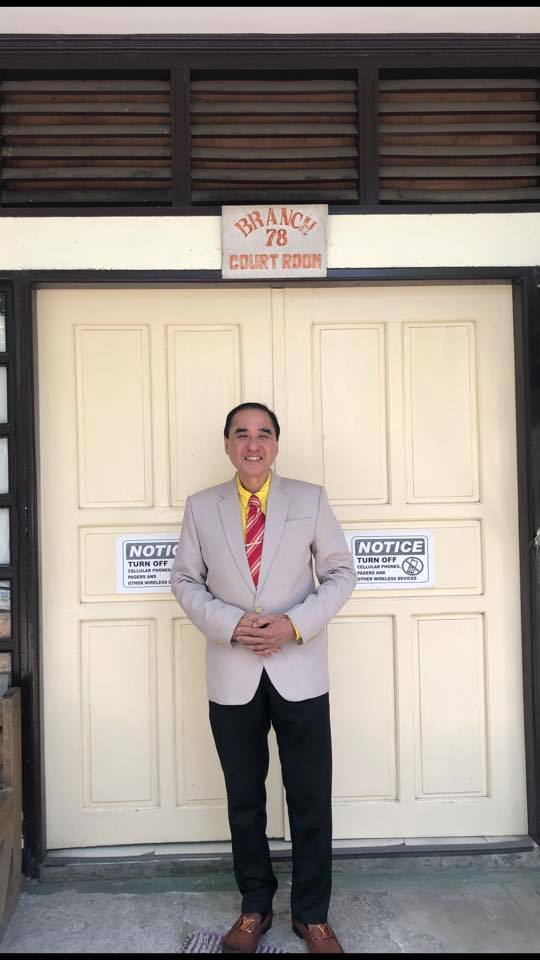
Blake Feken’s 20-year journey in the legal profession is a testament to the power of trust, dedication, and integrity. Formerly a senior associate lawyer at a leading firm, he founded his own real estate services company in 2014, specializing in breakthrough negotiations and innovative dispute resolution. Blake’s career has taken him through various fields—from mining and natural resources to corporate law and telecommunications—but his ultimate focus has always been on creating impactful, transformative solutions for his clients. In a recent interview, he shared his insights on the legal profession, balancing work with personal growth, and the importance of trust in client relationships.

Early Beginnings

Atty. Blake credits his mother as his inspiration for becoming a lawyer, albeit in an unexpected way. As a child, he had a natural inclination for debate, often defending his stance with explanations, alibis, and well-reasoned arguments—qualities his mother noticed and encouraged. She saw in him the potential for a legal career, urging him to channel his natural skills into law. This early push laid the foundation for a profession that would later become his passion.

Reflecting on this influence, Blake said, “My mother observed me as a smart-aleck kid who is always quick to argue, defend a position, and explain away certain behaviors. She told me to become a lawyer because I was always acting like one, (in short, mahusay magpalusot)”. It’s a reminder that sometimes, career paths are set in motion long before we realize it.

Blake’s journey in law began with an impressive range of specialties at a top law firm, where he worked on cases involving real estate, mining, government contracts, corporate law, and public utilities, among other areas. Despite his successful tenure, he ultimately felt drawn to a more specialized and impactful role in real estate, founding his company in 2014. Today, he focuses on breakthrough negotiations—finding transformative solutions to complex client issues through tailored remedies and innovative problem-solving.

This shift allowed him to not only bring his legal expertise to bear on real estate issues but also to pursue a purpose-driven approach. For Blake, it isn’t just about resolving disputes or drafting contracts; it’s about providing clients and stakeholders with meaningful, often life-changing, outcomes.

A Day in the Life

Atty. Blake describes his workday as one of deep contemplation and strategic planning. “A typical day would consist of a lot of thinking, reading, contemplating, writing, planning, and strategizing,” he shared. In his current role, he’s as much a strategist as he is a lawyer, using his time to carefully assess his clients’ needs, anticipate issues, and devise effective solutions.

This thoughtful approach aligns with Blake’s dedication to providing clients with not only legal guidance but also a roadmap for successful negotiations and outcomes. His work requires constant reflection, reminding him of the importance of clarity and foresight in making sound legal decisions.

A Defining Moment

One of the most impactful moments in Blake’s career was a situation that demonstrated the immense power of trust. A client once entrusted his firm with a P110 million deposit, without any formal contract. “This effectively demonstrates the power and speed of trust,” he remarked. This moment left a lasting impact on Atty. Blake, underscoring the responsibility and privilege that comes with being a trusted advisor. For him, trust is more than a professional standard—it’s the foundation of his entire practice, built through years of integrity and commitment to clients’ best interests.

Balancing Law with Life

The demands of the legal profession can be intense, and Blake has found balance by focusing on personal growth and renewal. Inspired by Stephen Covey’s concept of “sharpening the saw” from The 7 Habits of Highly Effective People, he prioritizes self-renewal. This practice has allowed him to maintain clarity, resilience, and a positive outlook on both his work and his personal life.

“By developing the habit of sharpening the saw or self-renewal, I’m able to sustain a balanced life and well-being,” he explained. Blake’s emphasis on self-care serves as a reminder to other professionals that maintaining mental and physical health is crucial to long-term success.

Grateful for the Journey

Looking back on his career, Blake has no regrets. “I am extremely grateful for all the things I had experienced, learned, unlearned, and relearned from life’s everyday teachings,” he reflected. He approaches each experience, challenge, and success as a building block, helping him grow personally and professionally. For Blake, life’s journey is continuous learning, with each lesson contributing to his development and capacity to serve others.

Advice for Aspiring Lawyers

When asked for advice to young lawyers, Blake’s message was clear: “Since lawyering is a noble profession, one succeeds with oneself, with others, and with life, if one consistently extends, cultivates, restores, strengthens, and inspires trust.” For him, the heart of legal practice lies in building trust and maintaining integrity. He urges aspiring lawyers to be principle-centered, consistently embodying honesty, accountability, and ethical responsibility.

Atty. Blake’s advice is both timeless and essential: trust, once established, can unlock new levels of success and fulfillment in a lawyer’s career. He sees law not merely as a profession but as a vocation, a path to serving others and creating positive change.

A Career Rooted in Purpose, Transformation, and Trust

Blake Feken’s story is one of dedication, resilience, and unwavering integrity. From his early days as an associate lawyer to his current role in real estate services, he has built a career centered on trust, innovation, and transformative solutions. His journey serves as an inspiring example for those entering the legal field, reminding them that success in law is not just about technical expertise but also about the values one brings to the practice.

In Atty. Blake’s view, the true essence of being a lawyer lies in cultivating trust and using one’s skills to bring about meaningful, positive outcomes. His commitment to his clients and personal growth exemplify what it means to succeed in law with integrity and purpose.

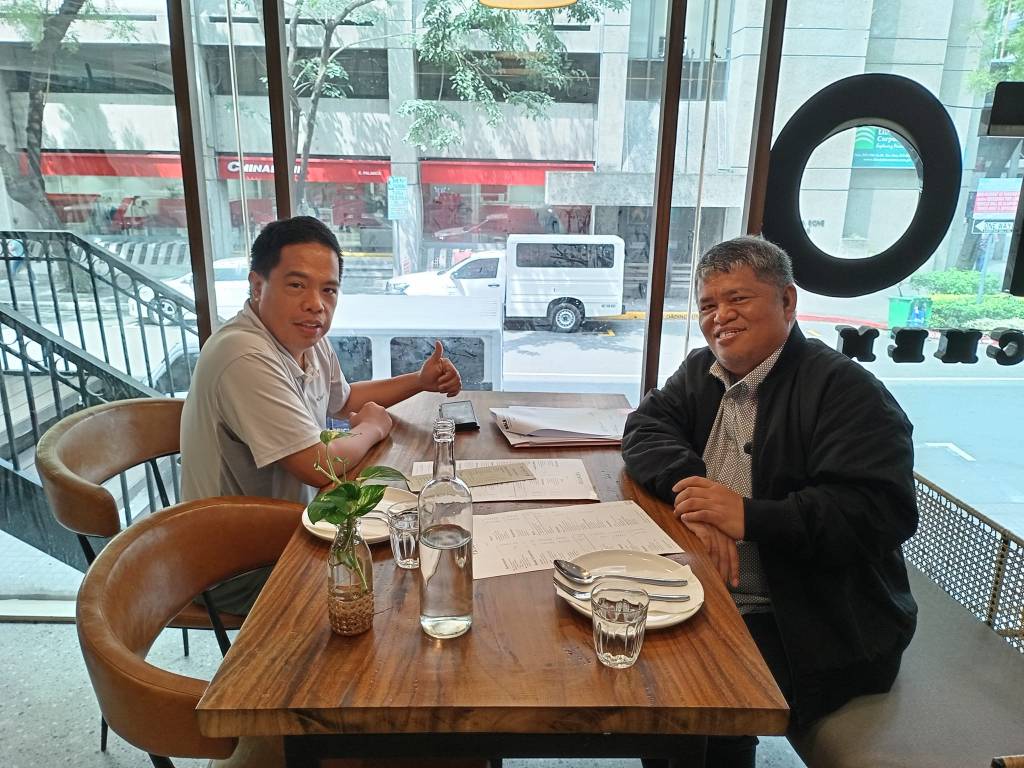
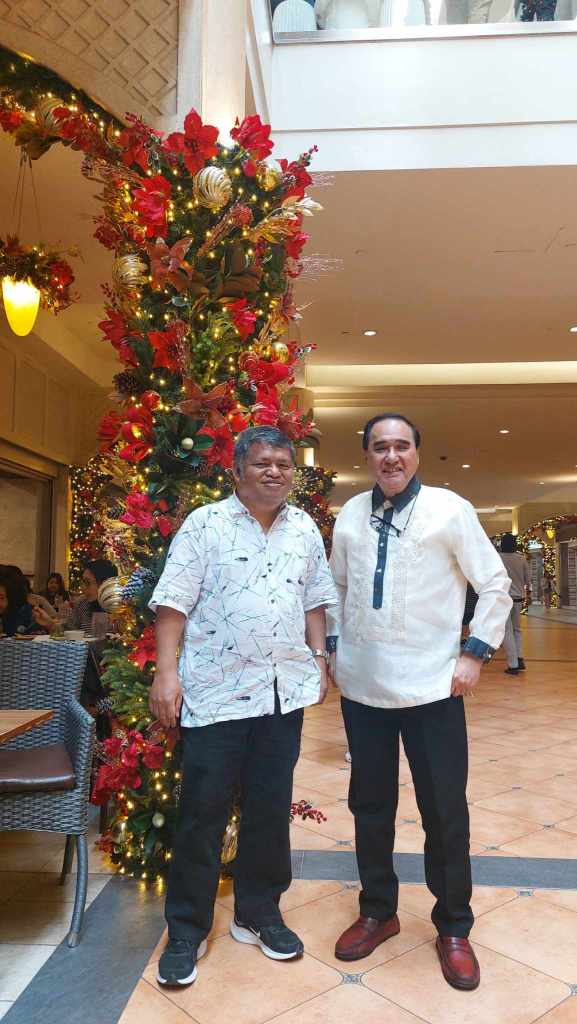
Atty. Blake Feken with Gus Agosto

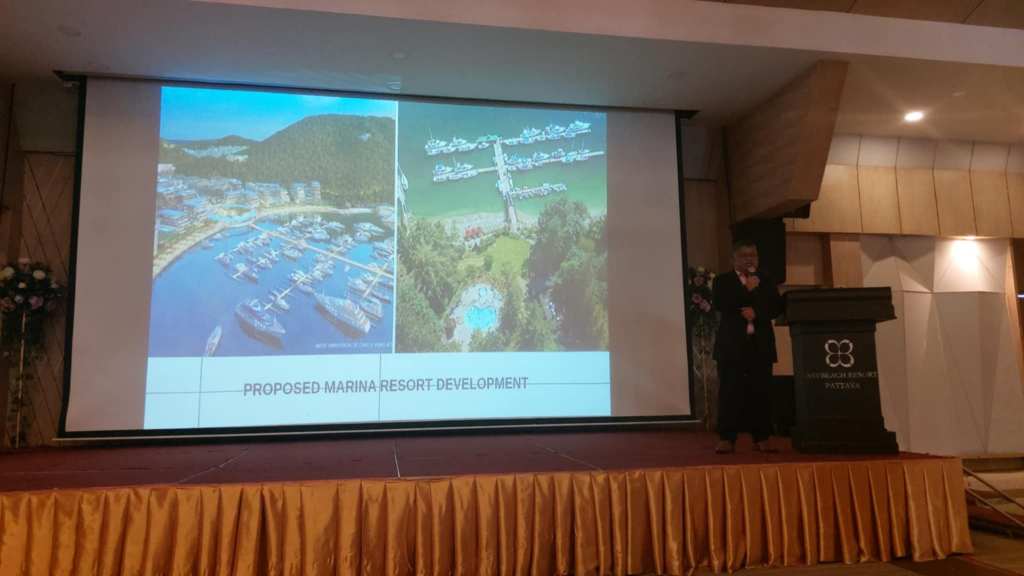
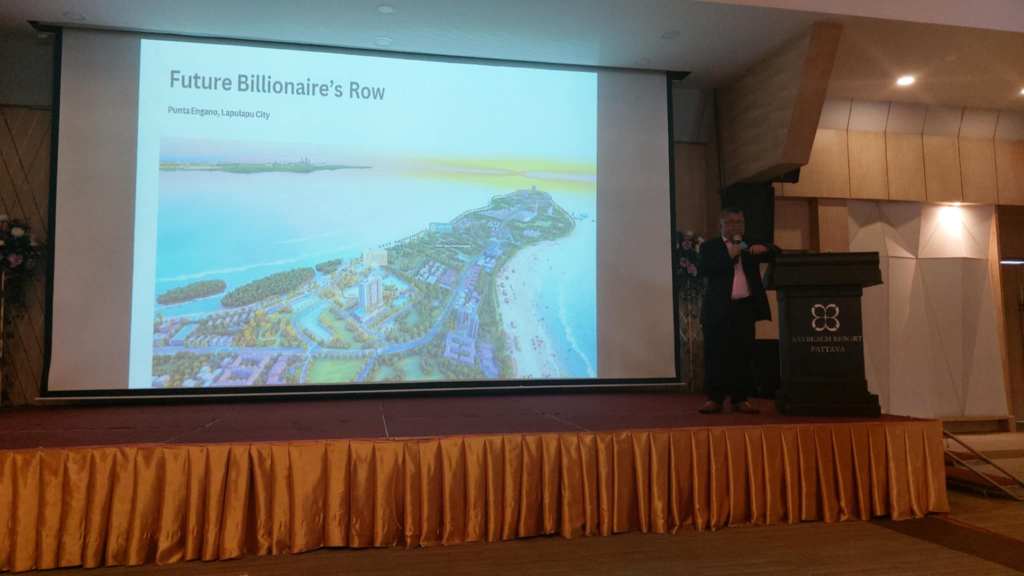
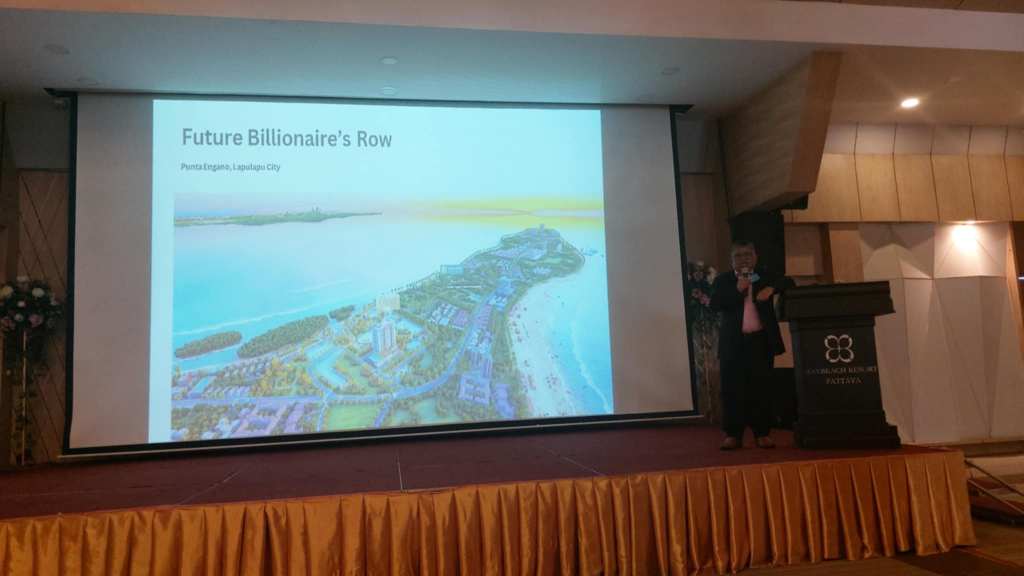
Consultant Gus Agosto at the World Congress of Resort Properties

Consultant Gus Agosto delivered an insightful presentation at the prestigious World Congress of Resort Properties held in Pattaya, Thailand. His talk focused on the integration of valuation and planning practices in the context of Lapulapu City, Philippines—a city renowned for its vibrant tourism and resort industry.

In his speech, Agosto emphasized the importance of leveraging advanced valuation methodologies to complement sustainable planning efforts. He remarked, “The exploitation of various methodologies in valuation, coupled with the principles of highest and best use and feasibility analysis, can yield more reliable estimations. These, in turn, align closely with the goals of sustainable and responsible urban planning.” His insights underscored the critical role of integrating economic, environmental, and social considerations in developing resort-based real estate projects.

The World Congress served as an invaluable platform for participants from around the globe to exchange experiences and insights into real estate practices focused on resorts and hotels. Agosto highlighted how both the indoor seminars and on-site study visits provided participants with hands-on learning opportunities. He noted that these activities offered a deeper understanding of innovative approaches and strategies in real estate development, which would significantly enhance the professional practices of attendees.

Pattaya, Thailand, was a fitting venue for the event, being globally recognized as a premier resort city. Its reputation as a hub of hospitality and tourism added a dynamic layer to the Congress, enriching discussions and case studies with real-world examples of successful resort property development. Agosto concluded that the knowledge shared at the event would undoubtedly elevate the standards of real estate practice among the participants, fostering innovation and collaboration in the global resort property sector.

Supreme Court Decision on Recognition of Foreign Divorce – Gerbert R. Corpuz vs. Daisylyn Tirol Sto. Tomas and the Solicitor General, G.R.186571

In the case of Gerbert R. Corpuz vs. Daisylyn Tirol Sto. Tomas and the Solicitor General, the Supreme Court addressed the requirements and procedures for recognizing a foreign divorce obtained by a Filipino citizen and a foreign spouse. The decision highlights the conditions under Philippine law for the judicial recognition of foreign divorce decrees and how such recognition must be sought.

Case Background

Gerbert R. Corpuz, a naturalized Canadian citizen, married Filipina Daisylyn Sto. Tomas in 2005. After discovering that Daisylyn was involved in an extramarital affair, Gerbert returned to Canada, where he filed for and obtained a divorce in 2006. Desiring to remarry in the Philippines, he sought to have the divorce decree recognized so he could lawfully remarry. However, Philippine law requires a judicial order for the recognition of a foreign divorce, prompting Gerbert to file a petition with the Regional Trial Court (RTC) for this purpose.

The RTC denied Gerbert’s petition, ruling that, under Article 26 of the Family Code, only the Filipino spouse may file for judicial recognition of the divorce. This provision allows a Filipino spouse to remarry if their foreign spouse has obtained a divorce abroad. Since Gerbert, the foreign spouse, filed the petition, the RTC ruled that he could not avail himself of this provision.

Jurisdictional and Procedural Requirements: Rule 108

The Supreme Court noted that changes in the civil registry must comply with strict jurisdictional and procedural requirements set by Article 412 of the Civil Code and Rule 108 of the Rules of Court. Article 412 stipulates that no entry in the civil register may be altered without a judicial order, while Rule 108 provides a special procedure for the judicial correction or cancellation of civil registry entries.

For the judicial recognition of foreign divorce, Rule 108 mandates the following:

  • The petition must be filed with the RTC in the province where the civil registry is located.
  • All interested parties, including the civil registrar, must be named as parties in the proceedings.
  • A notice of the time and place of the hearing must be published in a newspaper of general circulation.

Since Gerbert’s petition did not fulfill these jurisdictional requirements, the Supreme Court could not consider it as a proper petition under Rule 108.

Recognition of Foreign Divorce under Rule 108

The Supreme Court clarified that the process for recognizing a foreign divorce decree can be integrated within a Rule 108 proceeding. This would avoid the need for separate proceedings, one for recognizing the foreign divorce and another for correcting or canceling civil registry entries. Rule 108 provides an avenue to establish the legal status or rights of a party and can serve as an adversarial proceeding to test the validity of a foreign judgment, especially in terms of jurisdictional issues, notice, fraud, collusion, or legal mistakes.

Conclusion

This case underscores that for a foreign divorce to be legally recognized in the Philippines, especially where one party is a Filipino citizen, it is necessary to meet procedural requirements under Rule 108. While foreign divorces can be recognized, they must be pursued by the Filipino spouse and follow the jurisdictional prerequisites to be effective in altering civil registry entries. This decision reiterates the importance of due process and adherence to procedural requirements in ensuring that foreign judgments are accurately and fairly integrated into Philippine civil law.

Link to the case: https://elibrary.judiciary.gov.ph/thebookshelf/showdocs/1/54282

Passion and Purpose (First of two parts)

The Inspiring Story of Atty. Filomeno A. Arteche III

For over four decades, Atty. Filomeno A. Arteche III has dedicated his life to the legal profession. His journey, marked by dedication, discipline, and an unbreakable commitment to excellence, has led him to represent some of the Philippines’ most notable figures, from Ramon Ang of San Miguel Corporation to the renowned architect Jun Palafox. Today, he stands as one of the most respected figures in private practice, but behind the titles and accolades, he is a family man, a mentor, and a person who values life’s simpler pleasures. Here, Atty. Arteche reflects on his career, the influences that shaped him, and the lessons he wishes to pass on to aspiring lawyers.

Early Beginnings

Atty. Arteche’s path to the legal profession was inspired by his father, a former mayor of Tacloban City and past president of the Integrated Bar of the Philippines Leyte Chapter. “I knew in high school that I would be a lawyer,” he recalls. His father’s influence was profound, taking him to court hearings and client meetings, sparking in him a fascination with the legal process. Coming from a family with a strong legal tradition, including two lawyer siblings, he pursued his ambition with vigor.

He began his academic journey as a top student, graduating as the valedictorian of his pre-law class at the University of the Philippines. In law school, he continued to excel, graduating as second honor from the Ateneo de Manila School of Law in 1981. His commitment to hard work and diligence laid the foundation for a successful legal career that spans more than four decades.

Career and Growth

Atty. Arteche launched his legal career with the prestigious Angara, Concepcion, Regala & Cruz (ACCRA) Law Offices, where he worked as a Junior Associate for 14 years. His early experiences provided a wealth of knowledge, but it was also during this time that he honed his specialization and became a recognized expert in litigation and corporate law.

Later, he transitioned to corporate roles, serving as Corporate Secretary, Legal Counsel, and Personnel Manager at Philippine Solid Finance and Credit Corporation and as a Corporate Lawyer for Philippine Investment Management Consultants, Inc. (PHINMA). By 2003, he established his firm, Filomeno A. Arteche III and Associates, embodying his entrepreneurial spirit and desire to chart his path in the legal world.

A Day in the Life of a Lawyer

As a seasoned litigator, Atty. Arteche spends much of his day in court, meticulously reviewing cases, jurisprudence, and strategies. His day begins with a clear plan, reviewing schedules and visualizing the tasks ahead. “In life, there must be a plan,” he emphasizes, reflecting his disciplined approach. Whether preparing for a court appearance or strategizing with clients, he is deeply committed to his work, driven by a desire to achieve the best outcomes for those he represents.

Memorable Cases and Professional Impact

One significant moment in his career was defending a mayor from Sagiaran, Lanao del Sur, who had been wrongly accused and included in a “narco list” of the Duterte Administration. Facing immense pressure, Atty. Arteche handled media interviews and worked tirelessly to clear his client’s name. Cases like these, where trust and integrity were on the line, shaped his view on the importance of being a trustworthy advocate.

He also recounts an early encounter with a prominent client, the owner of PHINMA, wearing an exquisite Patek Philippe watch. The moment left an impression on the young Arteche, symbolizing the rewards that hard work and dedication could bring. Today, he proudly owns six Patek Philippe watches, a reminder of the goals he set for himself early in his career.

Balancing Career and Family Life

For Atty. Arteche, family comes second only to God. He proudly speaks of his achievements, not in terms of wealth but in the memories he has created with his family. A memorable example is the time he took his entire family, including in-laws and grandchildren, on a European vacation, following a successful case. “Money can still be recovered, but the bonding, the memory—you cannot buy that,” he says. His family’s happiness and well-being remain his top priority, and he is proud to see all his children now as successful professionals and businesspeople.

He is deeply involved in the Rotary, an organization dedicated to community service, where he actively contributes to helping those in need, particularly the less fortunate. For him, the true essence of making a difference does not lie in holding a political office. He believes that one does not need to be a politician to make a meaningful impact on others’ lives. He is critical of politics, viewing it not only as a chaotic environment but also as a field where corruption often prevails. His passion for community service remains rooted in direct action and philanthropy rather than in the political arena.

Reflections and Regrets

Looking back, Atty. Arteche’s only regret is that his father did not live to see his success. While his mother witnessed and celebrated his achievements, he wishes his father could have been there to see how his influence and mentorship shaped him into the lawyer he became. He values hard work and independence, not relying on inheritance but on personal dedication and a drive to succeed.

Advice for Aspiring Lawyers

For those considering a career in law, Atty. Arteche offers several guiding principles. “Lawyering is a noble profession,” he says, emphasizing the need for passion, commitment, and discipline. He advises aspiring lawyers to develop “Smooth Interpersonal Relationships” (SIR), avoid arrogance, and cultivate good public relations. Personal presentation also matters; he believes a lawyer should always present themselves professionally, starting with a well-tailored barong.

Networking and community service are equally important. By joining civic organizations and serving the community, lawyers can build a reputation that extends beyond the courtroom. Atty. Arteche believes success is a matter of attitude as much as aptitude. “Remember, it’s not simply your aptitude but your attitude that will determine your altitude in life,” he shares.

Legacy and Living Life Fully

At the core of Atty. Arteche’s philosophy is the belief that life is about choices. His journey exemplifies resilience, dedication, and a passion for the law, shaped by the people he has served and the family he cherishes. Beyond his professional accomplishments, he is proud to be a caring son, loving husband, proud father, doting grandfather, reliable brother, and loyal friend.

Atty. Arteche’s story serves as an inspiration, not only for lawyers but for anyone who values hard work, integrity, and family. His advice and example underscore the belief that a life well-lived is one dedicated to both professional excellence and personal fulfillment. (To be continued)

Leaving the Shore: A Challenge to Aspiring Lawyers (Second of two parts)

The phrase “You cannot discover a new ocean unless you have the courage to leave the shore” is a wisdom that resonates deeply in the journey of Atty. Filomeno A. Arteche III, who for over four decades has exemplified what it means to leave the “shore” in pursuit of excellence and truth in the legal profession.

From his early days as a young lawyer, Atty. Arteche embarked on a path marked by dedication, discipline, and a relentless commitment to his principles. Throughout his career, he has represented high-profile clients, including Ramon Ang of San Miguel Corporation and the distinguished architect Jun Palafox. His extensive body of work, integrity, and precision have earned him not only respect in private practice but also a revered place as a mentor and family man. But behind his notable success lies the courage to venture beyond familiar terrain and tackle challenging cases and complex issues.

The Shore of Comfort and the Call to Adventure in Law

For aspiring lawyers, the “shore” symbolizes the structured world of academia and the comfort zone of established routines. The journey of law school, internships, and initial years in practice can create a sense of safety, but true growth only begins when one dares to move beyond these boundaries. For Atty. Arteche, the willingness to lose sight of the shore meant immersing himself fully in cases that tested his skill, challenged his values, and demanded his utmost perseverance. His career is a testament to the rewards of leaving the shore, marked by high-profile cases that required meticulous legal strategy, compassion, and integrity.

Atty. Arteche’s life story offers rich lessons for those just beginning their legal careers. His dedication to excellence didn’t mean a pursuit of accolades alone but rather a steadfast commitment to his clients and the ethical foundations of the profession. Atty. Arteche’s path involved facing unknowns, embracing failure as part of growth, and continuously expanding his capabilities. For aspiring lawyers, his life underscores that leaving the shore is about more than risk; it’s about discovering new capacities within oneself, refining professional values, and committing to justice even in complex, high-stakes situations.

Embracing the Ocean

Pursue Purpose Over Comfort: Atty. Arteche’s journey reflects the value of purpose over convenience. Young lawyers should choose paths that challenge them and align with their core principles, recognizing that real growth often requires leaving behind the predictable.

Commit to Lifelong Learning: Just as Atty. Arteche honed his skills and knowledge over decades, aspiring lawyers must approach their careers as continuous journeys, always seeking to improve and expand their understanding.

Seek Mentorship and Build Character: Known as a mentor, Atty. Arteche exemplifies how guidance from experienced lawyers can provide invaluable insights and shape a young lawyer’s approach to challenges.

Balance Work with Life’s Simple Joys: Beyond the courtroom, Atty. Arteche is a family man and a person who values simplicity. His life reminds young lawyers that while dedication to the profession is vital, finding balance and joy in personal life is equally important.

Atty. Arteche’s career demonstrates that leaving the shore is not a one-time decision but a mindset that shapes a lifelong journey. His willingness to take on some of the country’s most complex cases and his dedication to his clients, family, and community have solidified his legacy in the legal profession. Aspiring lawyers who look to his example will find not only inspiration but also a roadmap for building a career marked by integrity, resilience, and a deep sense of purpose.

As the words remind us, “discovering a new ocean” requires a boldness to face unknown challenges. Atty. Arteche’s story illustrates that for those in the legal profession, stepping beyond the shore isn’t just about professional success; it’s about becoming a lawyer who embodies excellence, compassion, and an unwavering commitment to justice.

Read the first part, here is the link https://abagosto.com/2024/11/13/passion-and-purpose/

BLGF Invites Prof. Agosto in RPVRA IRR Workshop

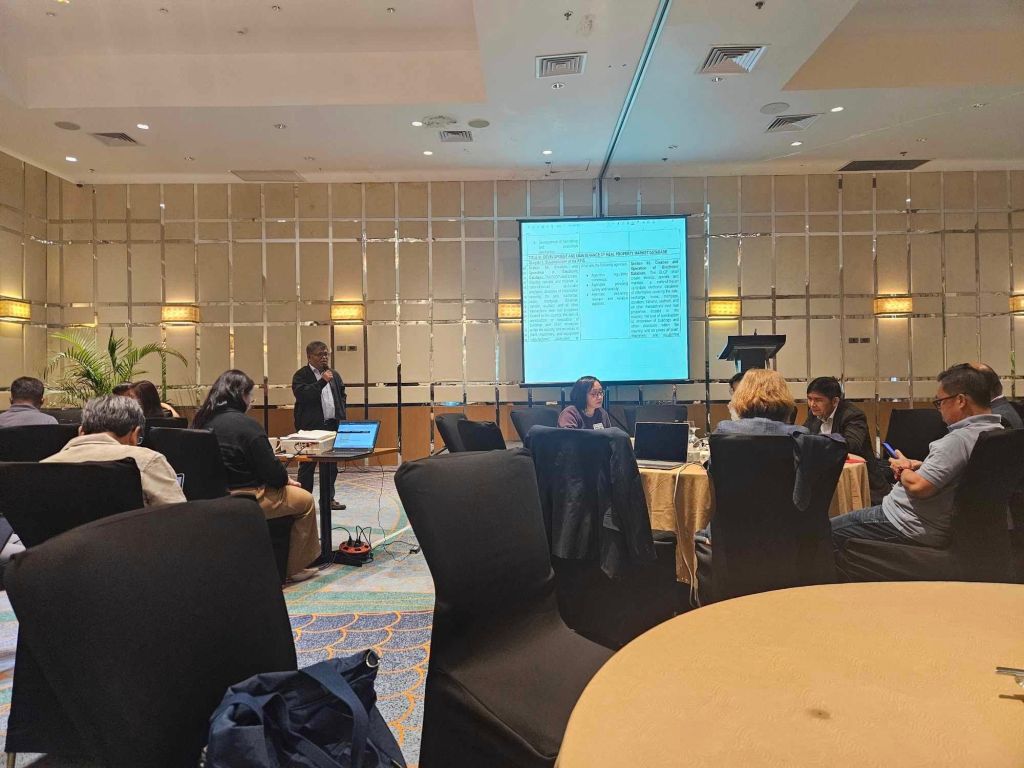
The Bureau of Local Government Finance (BLGF), a key agency responsible for overseeing local government revenue collection and fiscal policies, recently invited Gus Agosto, the President of the Society of Litigation Valuation Experts (SOLVE), to participate in a significant event aimed at shaping the future of property valuation in the Philippines. This event was the Workshop for the Implementing Rules and Regulations (IRR) of the Real Property Valuation and Reassessment Act (RPVRA), held from August 20 to 23, 2024 at Dusit Thani in Lapu-Lapu City, Cebu.

The workshop’s primary objective was to finalize the Implementing Rules and Regulations (IRR) for the RPVRA, a groundbreaking piece of legislation aimed at reforming real estate property valuation practices across the country. The RPVRA’s provisions are geared toward:

  • Standardizing real property valuation across Local Government Units (LGUs),
  • Strengthening the efficiency of property tax collection,
  • Enhancing transparency in government-led real estate transactions,
  • Establishing a National Valuation Database.

Given the far-reaching implications of the RPVRA, this workshop was crucial for ensuring that the IRR accurately reflected the spirit of the law while considering the practical realities of its implementation.

Prof. Gus Agosto, representing Group 1 in the discussions, played a central role in examining and debating key provisions of the RPVRA, particularly those affecting litigation-related valuation issues. His expertise as the President of SOLVE, an organization specializing in property valuation in legal disputes, added valuable insights into the drafting process. Group 1 likely focused on technical aspects of valuation practices, dispute resolution, and how to ensure the law’s provisions are consistently applied across regions.

His participation underscored the importance of collaboration between government bodies, private sector experts, and organizations such as SOLVE, as they worked to ensure that the IRR would be both legally sound and implementable at the local level.

The workshop was attended by a diverse group of stakeholders from the Visayas and Mindanao regions, representing both the public and private sectors:

  • Government Agencies:
    • Bureau of Local Government Finance (BLGF): Ensures local government revenue collection aligns with new valuation standards.

    • Bureau of Internal Revenue (BIR): Guides interactions of RPVRA with tax administration.

    • Philippine Tax Academy: Supports training for assessors and tax officers.

    • Local Government Assessors: Implement new valuation standards at local levels.

    • Phividec Industrial Authority: Focuses on how the new valuation law affects industrial property valuations.


      Private Sector:


    • Real estate practitioners, property developers, and valuation experts shared insights on the law’s impact on real estate and investments.

During the workshop, various provisions of the RPVRA were debated, including:

  1. Valuation Standards:
    • Ensuring uniformity in real property valuation across all LGUs, addressing long-standing issues with inconsistent property assessments in different regions.
  2. Creation of the National Valuation Database:
    • Discussing the technical requirements, privacy concerns, and the operational framework of the database, which would be central to transparent and reliable valuation practices.
  3. Periodic Revaluation Requirements:
    • The IRR’s requirement for LGUs to conduct regular updates to property valuations would address the issue of outdated valuations that impact fair taxation and public transactions.
  4. Appraisers’ and Assessors’ Qualifications:
    • Emphasis was placed on professionalizing the appraisal practice through standardized training and certification programs, with contributions from the Philippine Tax Academy.
  5. Litigation-Related Provisions: Mr. Agosto’s involvement focused on mechanisms for resolving valuation disputes, particularly in cases of eminent domain, where the government acquires private property for public use, and determining just compensation becomes critical.

The workshop was pivotal for finalizing the IRR, which would serve as the guiding document for the implementation of the RPVRA across the country. This collaborative effort between the government and the private sector aims to ensure that real estate valuation practices in the Philippines align with international standards, promote transparency, and support the fair and equitable taxation of real properties.

The participation of key government bodies such as the BIR and the BLGF, alongside valuation experts like Gus Agosto, ensures that the IRR addresses both the technical and practical aspects of real estate property valuation, enhancing the law’s chances of being effectively implemented across the country’s LGUs.

Prof. Agosto Invited to Speak at International Forum on Real Estate

Prof. Gus Agosto, president of the Society of Litigation Valuation Experts (SOLVE), was invited as one of the speakers at the International Forum on Real Estate held from August 28 to September 1, 2024, in Bangkok, Thailand. The prestigious event brought together top industry leaders, policymakers, and real estate professionals to discuss the latest trends, challenges, and innovations in global real estate markets.

Agosto, known for his expertise in real estate appraisal and litigation valuation, addressed key issues such as the evolving role of government regulation, the importance of professional accreditation, and best practices for real estate valuation. Drawing from his extensive experience in shaping industry reforms, including his participation in issues such as the Proposed Professional Guidelines, and the Real Property Valuation Reform Act (RPVRA), Agosto emphasized the need for transparency and high standards in real estate practices.

His participation in the forum underscored his commitment to advancing professional standards in the industry and contributing to a more sustainable and equitable real estate market not only in the country but also around the world.

On BBM’s Right of Way Policy Proposition

President BBM’s recent proposition to return to a previous system for handling right-of-way issues, where the government would pay only 15 percent of the property value upfront and resolve any subsequent valuation disputes in court, has significant implications not only for landowners but also for the general public.

Key infrastructure flagship projects currently facing right of way (ROW) issues include the Cagayan de Oro Diversion Road Extension, the Davao City Bypass Construction Project, the Samal Island-Davao City Connector Bridge, the Light Rail Transit-1 Cavite Extension Project, and the EDSA Greenways Project.

One of the primary motivations behind President BBM’s proposal is to expedite infrastructure projects. Projects could proceed without delay by taking possession of the property with an initial 15 percent payment and allowing valuation disputes to be settled later. This could lead to quicker completion of essential infrastructure such as roads, bridges, and public utilities, benefiting the public by improving transportation, connectivity, and access to services.

However, this expedited process might come at a cost. The reliance on courts to resolve valuation disputes can increase the judicial system’s burden, potentially causing delays in other legal proceedings. Additionally, the cost of prolonged litigation could ultimately be borne by taxpayers, increasing public expenditure.

The public perception of the government’s commitment to fair and just practices could be affected. If the policy unfairly favors infrastructure development at the expense of property owner’s rights, it could lead to public dissent and erode trust in government institutions. Ensuring a transparent and fair process is crucial for maintaining public confidence.

Efficient and timely infrastructure development can have positive economic impacts, such as stimulating investment, creating jobs, and boosting economic growth. Improved infrastructure enhances the overall business environment, making it easier for companies to operate and expand. However, if the process is perceived as unjust, it might deter investment, particularly in real estate and property development sectors, due to concerns about property rights and fair compensation.

The rapid acquisition of property for infrastructure projects can lead to community displacement. This has social implications, as displaced families and communities may face significant challenges in finding new homes, and jobs, and adjusting to new environments. Ensuring displaced individuals are adequately compensated and supported through the transition is essential to mitigate these impacts.

A system that prioritizes quick project completion over fair compensation may disproportionately affect vulnerable populations. Lower initial compensation could exacerbate the financial instability of low-income families and marginalized communities. Ensuring equitable treatment for all property owners, regardless of their socio-economic status, is critical for social justice.

Therefore, President BBM’s proposal to modify the right-of-way process has the potential to accelerate infrastructure development, benefiting the public through improved services and economic growth. However, it also raises significant concerns about legal and financial burdens, public trust, social impacts, and equity. A balanced approach that maintains fairness, transparency, and support for affected individuals is essential to ensure that the benefits of infrastructure projects are realized without compromising the rights and welfare of property owners and the broader community.

The Essential Role of Master Planning in Real Estate

Clients often want to explore what their properties can become, not just what they are worth today. Potential encompasses the possible future uses and developments that can enhance the value and utility of the property. Through master planning, we analyze various factors such as location, market trends, demographic shifts, and regional growth patterns to identify opportunities for development and improvement.

Maximal use refers to optimizing the utilization of a property to achieve its highest and best use. This involves detailed planning and strategic decision-making to ensure that the property is developed in a way that maximizes its value, functionality, and sustainability. We consider various scenarios and use cases, from residential and commercial developments to mixed-use projects, ensuring that every square meter of the property is used effectively.

In contrast to conventional master plans focused narrowly on technical and physical aspects, our approach is more expansive and inclusive. We go beyond traditional boundaries of architecture and engineering to incorporate rigorous analyses of market trends, legal, economic feasibility, environmental sustainability, and comprehensive risk management. This broader perspective ensures that our projects are not only viable but also resilient and adaptive to changing environments and challenges.

The Role of Master Planning

Our master planning services begin with a thorough analysis of the property, including its legal and physical characteristics, existing infrastructure, and environmental conditions. We also conduct market and feasibility studies to understand the economic viability of potential developments. This comprehensive analysis forms the foundation of our master plans, ensuring they are grounded in reality and aligned with market demands.

Master planning is about creating a strategic vision for the property’s future. We collaborate with our clients to understand their goals and aspirations, integrating their vision into the master plan. This strategic approach ensures that the plan not only addresses immediate needs but also sets a course for long-term growth and development.

Market Analysis

Market analysis is a cornerstone of effective master planning in real estate, providing essential insights into market trends, demand-supply dynamics, and consumer behavior. By conducting thorough analyses, master planners can identify opportunities, mitigate risks, and optimize strategies to enhance project feasibility and long-term success. Integrating market insights ensures that developments are not only responsive to current market conditions but also positioned for sustainable growth and resilience in the future.

Financial Analysis

Financial viability is a cornerstone of successful master planning. We conduct detailed financial analyses to assess the feasibility of proposed developments. This includes market analysis, financial modelling, cost estimation, revenue projections, and return on investment calculations. By evaluating the financial aspects thoroughly, we help clients make informed decisions and attract potential investors.

Economic Impact

Master planning also considers the broader economic impact of development projects. Economic analysis in real estate and investment decisions involves several key tools and techniques that guide investors and developers in making informed choices. We analyze how proposed developments can stimulate local economies, create job opportunities, and attract businesses and investments. This holistic view ensures that the development contributes positively to the economic vitality of the region.

Environmental Sustainability

Sustainable development is at the core of our planning process. We conduct comprehensive environmental impact assessments to understand and mitigate the ecological footprint of developments. This includes evaluating potential impacts on air and water quality, natural habitats, and biodiversity. Our plans incorporate green building practices, energy efficiency measures, and renewable energy solutions to minimize environmental impact.

Our master plans emphasize the integration of green spaces, parks, and recreational areas to enhance the quality of life for residents and promote environmental sustainability. These spaces not only provide aesthetic and health benefits but also contribute to the ecological balance of the area.

Legal and Regulatory Compliance

Legal due diligence and proactive management of ownership and legal barriers are integral to effective master planning in real estate. By verifying ownership, identifying legal barriers, and ensuring regulatory compliance, we mitigate risks, enhance project feasibility, and facilitate smooth implementation. We also ensure that all projects comply with local, regional, and national regulations. This includes zoning laws, building codes, environmental regulations, and land use policies. This proactive approach enhances project feasibility, mitigates risks, and facilitates smooth implementation

Risk management is integral to our master planning approach. We identify potential legal, financial, and environmental risks and develop strategies to mitigate them. This proactive approach ensures the long-term success and sustainability of our projects.

Conclusion

Our clients look to us for more than just property valuations; they seek insights into the potential and maximal use of their properties. Through our comprehensive master planning services, we provide the strategic vision, detailed analysis, and innovative solutions needed to unlock that potential and maximize use. By integrating financial viability, economic impact, environmental sustainability, and legal compliance, we ensure that our projects are sustainable, resilient, and successful.

This holistic approach not only enhances the value of the property but also ensures balanced growth that preserves natural resources, promotes community well-being, and fosters long-term economic vitality. Our expertise in master planning positions us to lead in nurturing and developing thriving communities that stand the test of time.

Valuation Expert Distinguishes Roles of Expert Witnesses and Court Commissioners

In a recent hearing at the Cebu City Regional Trial Court, Valuation Expert Gus Agosto helped in shedding light on the distinct roles of expert witnesses and court commissioners, providing valuable insights into their functions within the expropriation proceeding.

During the proceedings, Expropriation Expert manifested to the court, emphasizing the critical differences between expert witnesses and court commissioners. Expert witnesses, under the Rules on Evidence, Gus Agosto explained, offering specialized knowledge, skills, and experience in specific fields relevant to the case at hand. Their testimony aids judges  in understanding complex matters, contributing to informed decision-making.

He referred to Rule 130, Section 49 of the Rules of Evidence, which states, “The opinion of a witness on a matter requiring special knowledge, skill, experience, or training which he is shown to possess, may be received in evidence.” This provision underscores the importance of expert testimony in matters where specialized expertise is necessary.

On the other hand, under Rule 32 of the Rules of Court, court commissioners are appointed by the court to play a pivotal role as officers of the court, particularly in matters related to property valuation or just compensation. Mr. Agosto underscored the importance of competence and expertise among court commissioners, highlighting their role in evaluating factors to determine just compensation for properties subject to acquisition or eminent domain.

In cases requiring property valuation, the court typically appoints three competent individuals as commissioners. These commissioners are tasked with conducting impartial assessments to ascertain the fair value of the property being acquired, ensuring that property owners receive just compensation for their properties.

Additionally, Mr. Agosto touched upon the court’s jurisdiction to interpret whether simple or compound interest should apply in the computation of just compensation in expropriation proceedings dating back to 1995. He emphasized, ‘The interest rate matter is a question of law, which is best interpreted and decided by the court.’ While leaving the interpretation to the court, Consultant Agosto underscored the significance of this decision in ensuring fair and equitable compensation for affected parties.

Consultant Agosto’s clarification of the roles of expert witnesses and court commissioners serves to enhance understanding within the legal community and among courtroom participants. By providing clarity on these essential distinctions, Consultant Agosto contributes to the integrity and fairness of legal proceedings and underscores the importance of competent professionals in facilitating justice.