Passion and Purpose (First of two parts)

The Inspiring Story of Atty. Filomeno A. Arteche III

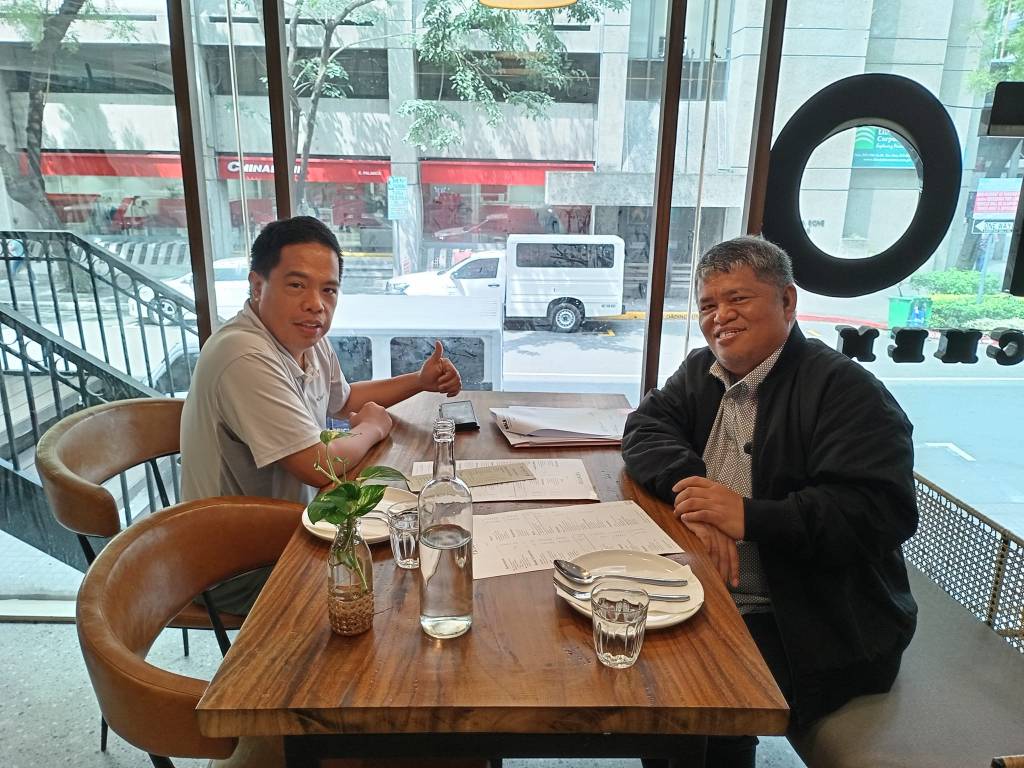
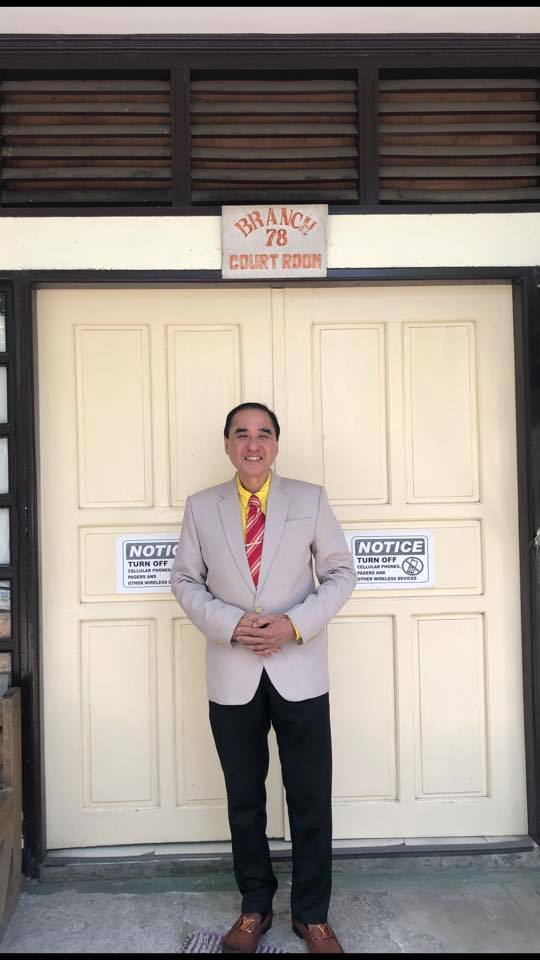
For over four decades, Atty. Filomeno A. Arteche III has dedicated his life to the legal profession. His journey, marked by dedication, discipline, and an unbreakable commitment to excellence, has led him to represent some of the Philippines’ most notable figures, from Ramon Ang of San Miguel Corporation to the renowned architect Jun Palafox. Today, he stands as one of the most respected figures in private practice, but behind the titles and accolades, he is a family man, a mentor, and a person who values life’s simpler pleasures. Here, Atty. Arteche reflects on his career, the influences that shaped him, and the lessons he wishes to pass on to aspiring lawyers.

Early Beginnings

Atty. Arteche’s path to the legal profession was inspired by his father, a former mayor of Tacloban City and past president of the Integrated Bar of the Philippines Leyte Chapter. “I knew in high school that I would be a lawyer,” he recalls. His father’s influence was profound, taking him to court hearings and client meetings, sparking in him a fascination with the legal process. Coming from a family with a strong legal tradition, including two lawyer siblings, he pursued his ambition with vigor.

He began his academic journey as a top student, graduating as the valedictorian of his pre-law class at the University of the Philippines. In law school, he continued to excel, graduating as second honor from the Ateneo de Manila School of Law in 1981. His commitment to hard work and diligence laid the foundation for a successful legal career that spans more than four decades.

Career and Growth

Atty. Arteche launched his legal career with the prestigious Angara, Concepcion, Regala & Cruz (ACCRA) Law Offices, where he worked as a Junior Associate for 14 years. His early experiences provided a wealth of knowledge, but it was also during this time that he honed his specialization and became a recognized expert in litigation and corporate law.

Later, he transitioned to corporate roles, serving as Corporate Secretary, Legal Counsel, and Personnel Manager at Philippine Solid Finance and Credit Corporation and as a Corporate Lawyer for Philippine Investment Management Consultants, Inc. (PHINMA). By 2003, he established his firm, Filomeno A. Arteche III and Associates, embodying his entrepreneurial spirit and desire to chart his path in the legal world.

A Day in the Life of a Lawyer

As a seasoned litigator, Atty. Arteche spends much of his day in court, meticulously reviewing cases, jurisprudence, and strategies. His day begins with a clear plan, reviewing schedules and visualizing the tasks ahead. “In life, there must be a plan,” he emphasizes, reflecting his disciplined approach. Whether preparing for a court appearance or strategizing with clients, he is deeply committed to his work, driven by a desire to achieve the best outcomes for those he represents.

Memorable Cases and Professional Impact

One significant moment in his career was defending a mayor from Sagiaran, Lanao del Sur, who had been wrongly accused and included in a “narco list” of the Duterte Administration. Facing immense pressure, Atty. Arteche handled media interviews and worked tirelessly to clear his client’s name. Cases like these, where trust and integrity were on the line, shaped his view on the importance of being a trustworthy advocate.

He also recounts an early encounter with a prominent client, the owner of PHINMA, wearing an exquisite Patek Philippe watch. The moment left an impression on the young Arteche, symbolizing the rewards that hard work and dedication could bring. Today, he proudly owns six Patek Philippe watches, a reminder of the goals he set for himself early in his career.

Balancing Career and Family Life

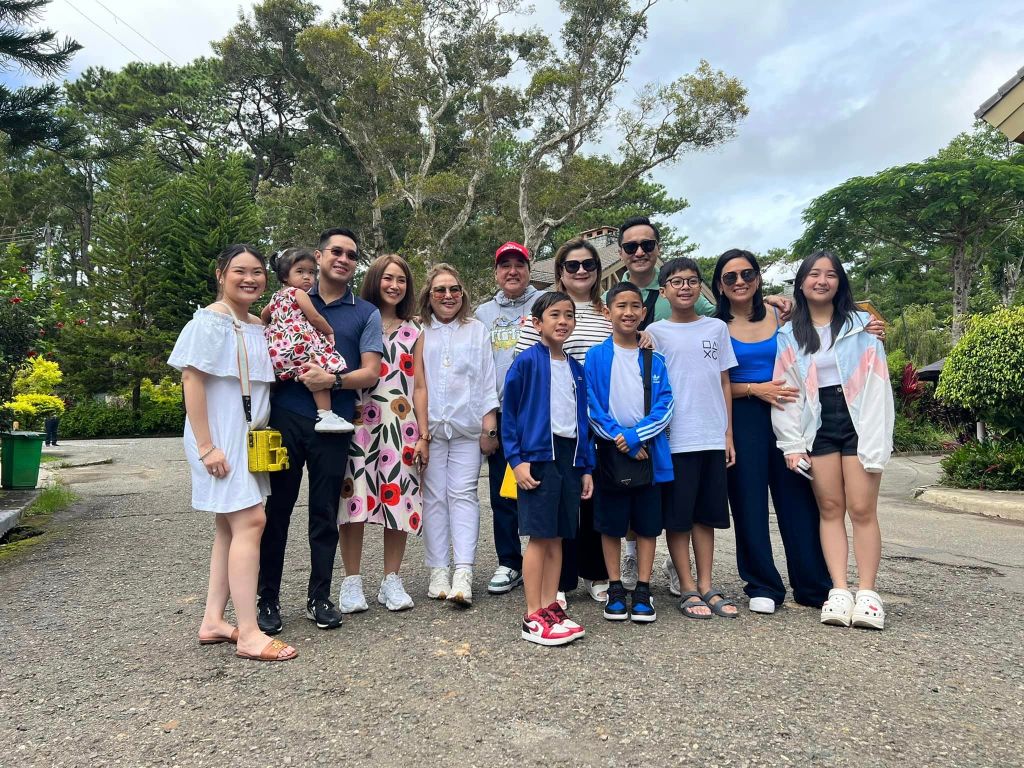
For Atty. Arteche, family comes second only to God. He proudly speaks of his achievements, not in terms of wealth but in the memories he has created with his family. A memorable example is the time he took his entire family, including in-laws and grandchildren, on a European vacation, following a successful case. “Money can still be recovered, but the bonding, the memory—you cannot buy that,” he says. His family’s happiness and well-being remain his top priority, and he is proud to see all his children now as successful professionals and businesspeople.

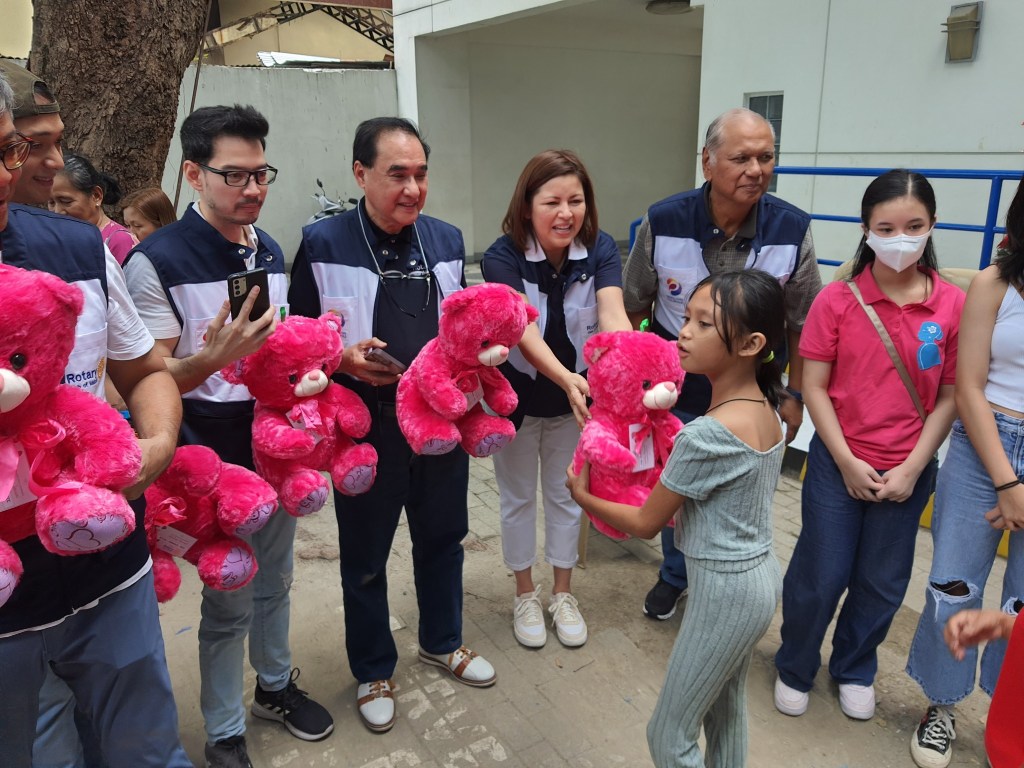
He is deeply involved in the Rotary, an organization dedicated to community service, where he actively contributes to helping those in need, particularly the less fortunate. For him, the true essence of making a difference does not lie in holding a political office. He believes that one does not need to be a politician to make a meaningful impact on others’ lives. He is critical of politics, viewing it not only as a chaotic environment but also as a field where corruption often prevails. His passion for community service remains rooted in direct action and philanthropy rather than in the political arena.

Reflections and Regrets

Looking back, Atty. Arteche’s only regret is that his father did not live to see his success. While his mother witnessed and celebrated his achievements, he wishes his father could have been there to see how his influence and mentorship shaped him into the lawyer he became. He values hard work and independence, not relying on inheritance but on personal dedication and a drive to succeed.

Advice for Aspiring Lawyers

For those considering a career in law, Atty. Arteche offers several guiding principles. “Lawyering is a noble profession,” he says, emphasizing the need for passion, commitment, and discipline. He advises aspiring lawyers to develop “Smooth Interpersonal Relationships” (SIR), avoid arrogance, and cultivate good public relations. Personal presentation also matters; he believes a lawyer should always present themselves professionally, starting with a well-tailored barong.

Networking and community service are equally important. By joining civic organizations and serving the community, lawyers can build a reputation that extends beyond the courtroom. Atty. Arteche believes success is a matter of attitude as much as aptitude. “Remember, it’s not simply your aptitude but your attitude that will determine your altitude in life,” he shares.

Legacy and Living Life Fully

At the core of Atty. Arteche’s philosophy is the belief that life is about choices. His journey exemplifies resilience, dedication, and a passion for the law, shaped by the people he has served and the family he cherishes. Beyond his professional accomplishments, he is proud to be a caring son, loving husband, proud father, doting grandfather, reliable brother, and loyal friend.

Atty. Arteche’s story serves as an inspiration, not only for lawyers but for anyone who values hard work, integrity, and family. His advice and example underscore the belief that a life well-lived is one dedicated to both professional excellence and personal fulfillment. (To be continued)

Leaving the Shore: A Challenge to Aspiring Lawyers (Second of two parts)

The phrase “You cannot discover a new ocean unless you have the courage to leave the shore” is a wisdom that resonates deeply in the journey of Atty. Filomeno A. Arteche III, who for over four decades has exemplified what it means to leave the “shore” in pursuit of excellence and truth in the legal profession.

From his early days as a young lawyer, Atty. Arteche embarked on a path marked by dedication, discipline, and a relentless commitment to his principles. Throughout his career, he has represented high-profile clients, including Ramon Ang of San Miguel Corporation and the distinguished architect Jun Palafox. His extensive body of work, integrity, and precision have earned him not only respect in private practice but also a revered place as a mentor and family man. But behind his notable success lies the courage to venture beyond familiar terrain and tackle challenging cases and complex issues.

The Shore of Comfort and the Call to Adventure in Law

For aspiring lawyers, the “shore” symbolizes the structured world of academia and the comfort zone of established routines. The journey of law school, internships, and initial years in practice can create a sense of safety, but true growth only begins when one dares to move beyond these boundaries. For Atty. Arteche, the willingness to lose sight of the shore meant immersing himself fully in cases that tested his skill, challenged his values, and demanded his utmost perseverance. His career is a testament to the rewards of leaving the shore, marked by high-profile cases that required meticulous legal strategy, compassion, and integrity.

Atty. Arteche’s life story offers rich lessons for those just beginning their legal careers. His dedication to excellence didn’t mean a pursuit of accolades alone but rather a steadfast commitment to his clients and the ethical foundations of the profession. Atty. Arteche’s path involved facing unknowns, embracing failure as part of growth, and continuously expanding his capabilities. For aspiring lawyers, his life underscores that leaving the shore is about more than risk; it’s about discovering new capacities within oneself, refining professional values, and committing to justice even in complex, high-stakes situations.

Embracing the Ocean

Pursue Purpose Over Comfort: Atty. Arteche’s journey reflects the value of purpose over convenience. Young lawyers should choose paths that challenge them and align with their core principles, recognizing that real growth often requires leaving behind the predictable.

Commit to Lifelong Learning: Just as Atty. Arteche honed his skills and knowledge over decades, aspiring lawyers must approach their careers as continuous journeys, always seeking to improve and expand their understanding.

Seek Mentorship and Build Character: Known as a mentor, Atty. Arteche exemplifies how guidance from experienced lawyers can provide invaluable insights and shape a young lawyer’s approach to challenges.

Balance Work with Life’s Simple Joys: Beyond the courtroom, Atty. Arteche is a family man and a person who values simplicity. His life reminds young lawyers that while dedication to the profession is vital, finding balance and joy in personal life is equally important.

Atty. Arteche’s career demonstrates that leaving the shore is not a one-time decision but a mindset that shapes a lifelong journey. His willingness to take on some of the country’s most complex cases and his dedication to his clients, family, and community have solidified his legacy in the legal profession. Aspiring lawyers who look to his example will find not only inspiration but also a roadmap for building a career marked by integrity, resilience, and a deep sense of purpose.

As the words remind us, “discovering a new ocean” requires a boldness to face unknown challenges. Atty. Arteche’s story illustrates that for those in the legal profession, stepping beyond the shore isn’t just about professional success; it’s about becoming a lawyer who embodies excellence, compassion, and an unwavering commitment to justice.

Read the first part, here is the link https://abagosto.com/2024/11/13/passion-and-purpose/

BLGF Invites Prof. Agosto in RPVRA IRR Workshop

The Bureau of Local Government Finance (BLGF), a key agency responsible for overseeing local government revenue collection and fiscal policies, recently invited Gus Agosto, the President of the Society of Litigation Valuation Experts (SOLVE), to participate in a significant event aimed at shaping the future of property valuation in the Philippines. This event was the Workshop for the Implementing Rules and Regulations (IRR) of the Real Property Valuation and Reassessment Act (RPVRA), held from August 20 to 23, 2024 at Dusit Thani in Lapu-Lapu City, Cebu.

The workshop’s primary objective was to finalize the Implementing Rules and Regulations (IRR) for the RPVRA, a groundbreaking piece of legislation aimed at reforming real estate property valuation practices across the country. The RPVRA’s provisions are geared toward:

  • Standardizing real property valuation across Local Government Units (LGUs),
  • Strengthening the efficiency of property tax collection,
  • Enhancing transparency in government-led real estate transactions,
  • Establishing a National Valuation Database.

Given the far-reaching implications of the RPVRA, this workshop was crucial for ensuring that the IRR accurately reflected the spirit of the law while considering the practical realities of its implementation.

Prof. Gus Agosto, representing Group 1 in the discussions, played a central role in examining and debating key provisions of the RPVRA, particularly those affecting litigation-related valuation issues. His expertise as the President of SOLVE, an organization specializing in property valuation in legal disputes, added valuable insights into the drafting process. Group 1 likely focused on technical aspects of valuation practices, dispute resolution, and how to ensure the law’s provisions are consistently applied across regions.

His participation underscored the importance of collaboration between government bodies, private sector experts, and organizations such as SOLVE, as they worked to ensure that the IRR would be both legally sound and implementable at the local level.

The workshop was attended by a diverse group of stakeholders from the Visayas and Mindanao regions, representing both the public and private sectors:

  • Government Agencies:
    • Bureau of Local Government Finance (BLGF): Ensures local government revenue collection aligns with new valuation standards.

    • Bureau of Internal Revenue (BIR): Guides interactions of RPVRA with tax administration.

    • Philippine Tax Academy: Supports training for assessors and tax officers.

    • Local Government Assessors: Implement new valuation standards at local levels.

    • Phividec Industrial Authority: Focuses on how the new valuation law affects industrial property valuations.


      Private Sector:


    • Real estate practitioners, property developers, and valuation experts shared insights on the law’s impact on real estate and investments.

During the workshop, various provisions of the RPVRA were debated, including:

  1. Valuation Standards:
    • Ensuring uniformity in real property valuation across all LGUs, addressing long-standing issues with inconsistent property assessments in different regions.
  2. Creation of the National Valuation Database:
    • Discussing the technical requirements, privacy concerns, and the operational framework of the database, which would be central to transparent and reliable valuation practices.
  3. Periodic Revaluation Requirements:
    • The IRR’s requirement for LGUs to conduct regular updates to property valuations would address the issue of outdated valuations that impact fair taxation and public transactions.
  4. Appraisers’ and Assessors’ Qualifications:
    • Emphasis was placed on professionalizing the appraisal practice through standardized training and certification programs, with contributions from the Philippine Tax Academy.
  5. Litigation-Related Provisions: Mr. Agosto’s involvement focused on mechanisms for resolving valuation disputes, particularly in cases of eminent domain, where the government acquires private property for public use, and determining just compensation becomes critical.

The workshop was pivotal for finalizing the IRR, which would serve as the guiding document for the implementation of the RPVRA across the country. This collaborative effort between the government and the private sector aims to ensure that real estate valuation practices in the Philippines align with international standards, promote transparency, and support the fair and equitable taxation of real properties.

The participation of key government bodies such as the BIR and the BLGF, alongside valuation experts like Gus Agosto, ensures that the IRR addresses both the technical and practical aspects of real estate property valuation, enhancing the law’s chances of being effectively implemented across the country’s LGUs.

On BBM’s Right of Way Policy Proposition

President BBM’s recent proposition to return to a previous system for handling right-of-way issues, where the government would pay only 15 percent of the property value upfront and resolve any subsequent valuation disputes in court, has significant implications not only for landowners but also for the general public.

Key infrastructure flagship projects currently facing right of way (ROW) issues include the Cagayan de Oro Diversion Road Extension, the Davao City Bypass Construction Project, the Samal Island-Davao City Connector Bridge, the Light Rail Transit-1 Cavite Extension Project, and the EDSA Greenways Project.

One of the primary motivations behind President BBM’s proposal is to expedite infrastructure projects. Projects could proceed without delay by taking possession of the property with an initial 15 percent payment and allowing valuation disputes to be settled later. This could lead to quicker completion of essential infrastructure such as roads, bridges, and public utilities, benefiting the public by improving transportation, connectivity, and access to services.

However, this expedited process might come at a cost. The reliance on courts to resolve valuation disputes can increase the judicial system’s burden, potentially causing delays in other legal proceedings. Additionally, the cost of prolonged litigation could ultimately be borne by taxpayers, increasing public expenditure.

The public perception of the government’s commitment to fair and just practices could be affected. If the policy unfairly favors infrastructure development at the expense of property owner’s rights, it could lead to public dissent and erode trust in government institutions. Ensuring a transparent and fair process is crucial for maintaining public confidence.

Efficient and timely infrastructure development can have positive economic impacts, such as stimulating investment, creating jobs, and boosting economic growth. Improved infrastructure enhances the overall business environment, making it easier for companies to operate and expand. However, if the process is perceived as unjust, it might deter investment, particularly in real estate and property development sectors, due to concerns about property rights and fair compensation.

The rapid acquisition of property for infrastructure projects can lead to community displacement. This has social implications, as displaced families and communities may face significant challenges in finding new homes, and jobs, and adjusting to new environments. Ensuring displaced individuals are adequately compensated and supported through the transition is essential to mitigate these impacts.

A system that prioritizes quick project completion over fair compensation may disproportionately affect vulnerable populations. Lower initial compensation could exacerbate the financial instability of low-income families and marginalized communities. Ensuring equitable treatment for all property owners, regardless of their socio-economic status, is critical for social justice.

Therefore, President BBM’s proposal to modify the right-of-way process has the potential to accelerate infrastructure development, benefiting the public through improved services and economic growth. However, it also raises significant concerns about legal and financial burdens, public trust, social impacts, and equity. A balanced approach that maintains fairness, transparency, and support for affected individuals is essential to ensure that the benefits of infrastructure projects are realized without compromising the rights and welfare of property owners and the broader community.

AB Agosto was named to the Environmental Impact Assessment Review Committee

In a significant development, Gus Agosto has been listed as a member of the newly established Environmental Impact Assessment (EIA) Review Committee in Region 7. The EIA process, aimed at foreseeing the environmental impact of a development, involves the preparation of an Environmental Impact Statement (EIS). This document, submitted by the project proponent or EIA consultant, serves as the application for an environmental compliance certificate (ECC).

“I am deeply honored and humbled by the appointment to serve in the EIA Review Committee. The importance of responsible and sustainable development cannot be overstated, and I am committed to contributing my expertise to ensure that development projects in our region align with environmental standards,” commented the Environmental Planner.

The ECC is granted based on a comprehensive study of a project’s significant impacts on the environment and the proposed environmental management plan. Agosto’s role in the committee involves contributing to the thorough analysis required during the review of EIS. This analysis includes evaluating data accuracy, the soundness of analysis, and the appropriateness of proposed mitigation measures.

According to DENR Administrative Order 2003-30, the Environmental Management Bureau (EMB) is entrusted with implementing the Philippine Environmental Impact Statement System (PEISS). The EMB can commission independent professionals, academic experts, and representatives from relevant government agencies as members of the EIA Review Committee (EIARC).

The EIARC, a body of independent technical experts and professionals of known probity from various fields, evaluates EIA reports and provides recommendations on the issuance or non-issuance of an ECC. It plays a crucial role in ensuring the environmental sustainability of development projects.

Project proponents are mandated to secure an ECC before commencing any development initiative. The issuance of this certificate is contingent upon a positive review of the EIS by the EIARC, highlighting the significance of this committee in upholding environmental standards in development projects.

“I believe that fostering a balance between development and environmental preservation is crucial for the well-being of our communities,” Mr. Agosto concluded.